 Skip to content
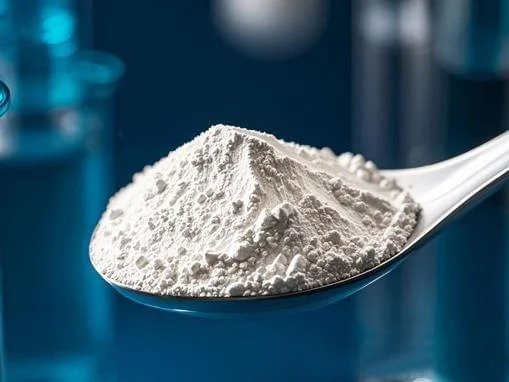
There is no single universal standard for the specifications of industrial-grade magnesium oxide (MgO). The core attributes are primarily determined by the "production process," while subdivided grades are defined by specific indicators such as "purity, activity, and particle size." Mainstream specifications can be categorized into three major process systems, each with clear corresponding parameter limits.
I. Core Specifications of Industrial-Grade Magnesium Oxide: The Dual Classification of "Process + Indicators"
1. By Production Process: Three Mainstream Basic Specifications
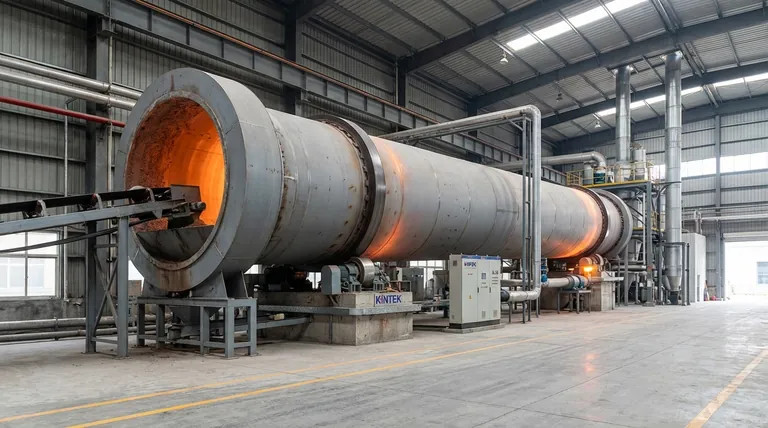
The production process directly determines the crystal structure, activity, and stability of magnesium oxide, making it the core basis for specification classification. It is divided into three main categories: light-burned (caustic calcined), dead-burned, and fused.
| Process Type | Core Process Parameters | Basic Performance Characteristics | Reference Standard / Code |
|---|---|---|---|
| Light-Burned Magnesium Oxide (Light) | Calcined at medium-low temperatures of 600-800°C; uses magnesite/dolomite as raw materials. | Loose crystal structure, high porosity, strong activity (iodine absorption value 80-150mg/g), purity 85%-95%. | HG/T 3928-2012 (Activity is divided into 6 levels: 180/150/120/80/60/40) |
| Dead-Burned Magnesium Oxide (Heavy) | Calcined at high temperatures of 1500-1800°C; raw materials undergo secondary purification. | Dense crystal structure, low activity (iodine absorption value ≤30mg/g), strong stability, purity 90%-97%. | GB/T 1612-2020 (General industrial grade) |
| Fused Magnesium Oxide | Melted and cooled for crystallization in a medium-frequency electric furnace; uses high-purity magnesia as raw material. | Excellent insulation, high-temperature resistance, purity 96%-99.9%. Available in powder (200/325 mesh) and granular (1-5mm) forms. | Enterprise internal standards (e.g., Q/3207FHMY01-2018 nuclear power grade) |
2. By Key Indicators: Subdivided Grades for Specific Scenarios
Building upon the base process, specifications are further refined by purity, activity, and particle size to meet the precise needs of different industries.
- Purity Grading (85%-99.99% Coverage):
- Standard Industrial Grade: Purity 85%-90%. Contains higher impurities (SiO₂≤3%, Fe₂O₃≤1%). Cost-effective, suitable for basic filling and wastewater treatment.
- Medium-High Purity Grade: Purity 92%-98%. Strictly controlled impurities (CaO≤2%, loss on ignition ≤8%). Suitable for functional scenarios like rubber vulcanization and flame-retardant materials.
- Ultra-High Purity Grade: Purity 99.9%-99.99% (3N-4N grade). Alkali metal and heavy metal impurities are kept at ppm levels. Used in high-end fields like electronic ceramics and lithium batteries.
- Activity Grading (Based on Iodine Absorption Value): Activity directly impacts reaction efficiency. Light-burned magnesium oxide has the highest activity and is divided into 6 levels according to HG/T 3928-2012:
- High Activity (120-180 level): Iodine absorption value ≥120mg/g. Fast reaction rate. Suitable for rubber vulcanization, adhesives, and catalyst carriers.
- Medium Activity (60-80 level): Iodine absorption value 60-80mg/g. Balances reactivity and stability. Used for flame-retardant materials and building products.
- Low Activity (≤40 level): Mostly modified light-burned or dead-burned products. Suitable for refractory castables and metallurgical auxiliaries to avoid premature low-temperature reactions.
- Particle Size Grading (Adjusted for Processing Needs):
- Ultrafine Powder (≤5μm): Excellent dispersibility. Used in rubber, ceramic glazes, and lithium batteries to improve matrix compatibility.
- Regular Powder (200-325 mesh): Highly versatile. Suitable for desulfurization, feed additives, and general rubber products.
- Granular (1-5mm): Predominantly fused magnesium oxide. Used for kiln refractory linings and high-temperature insulation materials; easy to mold.
3. Scenario-Specific Specifications: Industry-Customized Models
Customized specifications with highly targeted indicators have been developed for niche fields:
- Cable Rubber Specialty: High activity (≥120 level), low iron (≤0.05%). Enhances the cable’s acid resistance, high-temperature resistance, and anti-corrosion properties.
- Brake Pad Specialty: Dead-burned type, high density. Enhances wear resistance and high-temperature stability, preventing deformation during braking.
- Concentrated Nitric Acid Specialty: High purity (≥95%), low moisture. Used for purifying and dehydrating dilute nitric acid without introducing impurities.
- Nuclear Power Grade: Fused process, purity ≥99.9%, calcium and iron impurities ≤0.01%. Adapted for high-temperature insulation in the nuclear industry.
II. Applications and Selection Guide for Different Industrial Grades
The performance differences among various MgO specifications dictate their application boundaries. The core of selection is "matching the process to the scenario and matching indicators to the needs," avoiding the blind pursuit of unnecessarily high purity or high activity.
1. Light-Burned Magnesium Oxide: Activity-Driven, Focused on Functional Scenarios
Its core advantage is high reactivity, making it ideal for scenarios requiring rapid neutralization, catalysis, or flame retardancy. Applications vary significantly based on activity levels:
- High-Activity Type (120-180 level): Acts as a vulcanizing agent for neoprene, CPE, and other chlorine-containing rubbers. It rapidly neutralizes HCl generated during vulcanization, prevents scorching, and improves heat resistance. Also used as an adhesive additive to adjust pH and prevent curing bubbles.
- Medium-Activity Type (60-80 level): Used in plastic and rubber flame retardants. Compounded with aluminum hydroxide, it absorbs heat, isolates oxygen, suppresses smoke, and prevents dripping at high temperatures. Suitable for flame-retardant cables and automotive rubber/plastic parts.
- Low-Activity Type (≤40 level): Used in building materials (magnesium cement, fireproof boards). It accelerates setting during winter construction, improving product strength and impermeability.
- General Type (85%-90% purity): Used for industrial wastewater treatment and flue gas desulfurization. It neutralizes acidic wastewater and sulfur-containing exhaust gases efficiently and cost-effectively.
2. Dead-Burned Magnesium Oxide: Stability-Driven, Focused on High-Temperature Scenarios
Characterized by a dense crystal structure, high-temperature resistance (melting point 2852°C), low activity, and strong stability. Used primarily in high-temperature and wear-resistant scenarios:
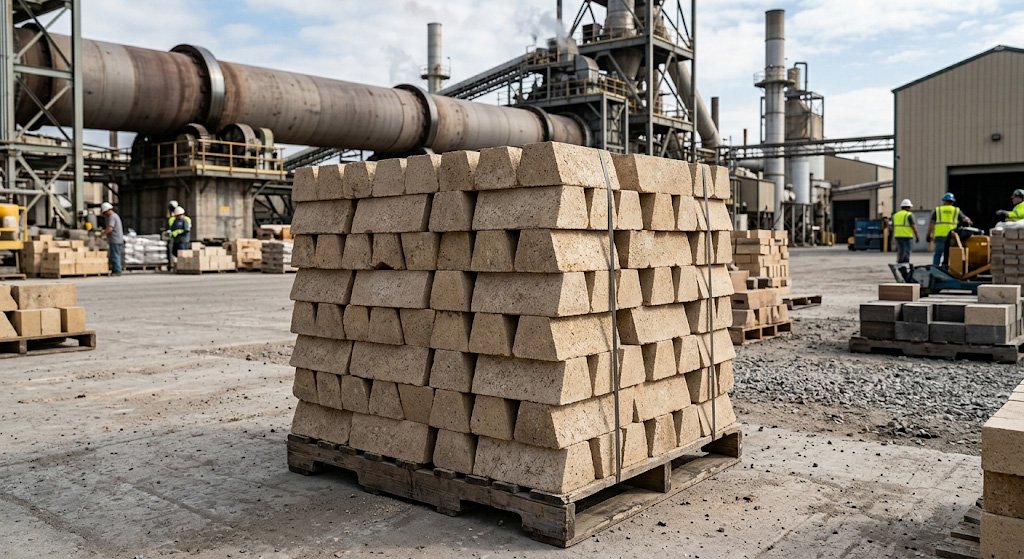
- Refractory Materials: Used to produce refractory bricks and castables for steel mill kilns and boiler linings. Impurities can help lower the sintering temperature and increase density.
- Metallurgical Auxiliaries: Used for smelting desulfurization in steel mills. It neutralizes sulfur in molten steel to improve steel quality. Low-cost, medium-purity models are sufficient here.
- Ceramic Glazes: Fine particle size (≤3μm) models improve glaze gloss and wear resistance, reduce cracking, and prevent impurities from affecting color.
3. Fused Magnesium Oxide: Purity & Insulation-Driven, Focused on High-End Scenarios
High purity and excellent insulation make it a necessity for high-end applications. Segmented by physical form:

- Powder (200-325 mesh): Used in electronic ceramics and MLCCs (Multi-Layer Ceramic Capacitors). Purity ≥99.9% prevents impurities from affecting dielectric properties. Also used as an insulation layer in electric heating tubes due to its high-temperature resistance and high insulation resistance.
- Granular (1-5mm): Used in refractory linings for large kilns and nuclear equipment. It does not deform or decompose at high temperatures, making it suitable for extreme working conditions.
- Ultra-High Purity Type (4N Grade): Used for modifying lithium battery cathode materials to enhance cycling stability and high-temperature resistance, reducing capacity degradation.
Overview Table: Core Indicators and Applications
| Category | Core Indicators | Main Applications | Selection Key |
|---|---|---|---|
| High-Activity Light-Burned | Purity 92%-95%, Activity 120-180 level | Rubber vulcanization, adhesives, high-end flame retardants | Activity value, iron impurity content |
| Regular Light-Burned | Purity 85%-90%, Activity 60-80 level | Building materials, wastewater treatment, desulfurization | Cost, loss on ignition |
| Dead-Burned | Purity 90%-97%, Activity ≤30 level | Refractory bricks, metallurgy, ceramic glazes | Bulk density, stability |
| Fused | Purity 96%-99.9%, Excellent insulation | Electronic ceramics, high-temp insulation, batteries | Purity, overall impurity content |
| Specialty Types | Customized (e.g., low iron, high density) | Cables, brake pads, nuclear equipment | Compliance with industry-specific standards |
III. Selection Misconceptions & Practical Advice

1. Common Selection Misconceptions
- Misconception 1: Blindly pursuing high purity. For refractory materials or wastewater treatment, 85%-90% purity is sufficient. Excessively high purity can increase costs by over 30% without any practical benefit.
- Misconception 2: Assuming higher activity is always better. Refractory castables require low-activity magnesium oxide. High activity leads to premature low-temperature reactions, causing product cracking.
- Misconception 3: Ignoring the impact of impurities. The rubber and electronics industries are highly sensitive to iron and calcium impurities. Excessive impurities will degrade product performance (e.g., reduced rubber aging resistance or lower ceramic dielectric properties).
2. Practical Selection Advice
- First, determine the process: Choose light-burned for reactivity, dead-burned for high-temperature stability, and fused for high-end insulation.
- Second, check the indicators: For functional scenarios (vulcanization, flame retardancy), focus on activity and purity. For high-temperature scenarios, look at stability and density. For high-end scenarios, strictly control impurities.
- Verify standards: Always request third-party testing reports to ensure indicators meet corresponding standards (e.g., checking HG/T 3928-2012 for light-burned MgO). Reject non-standard products.
IV. Frequently Asked Questions (Q&A)
1. Can light-burned and dead-burned magnesium oxide be used interchangeably?
No. Light-burned MgO has high activity but poor stability; substituting it for dead-burned MgO in refractory scenarios will cause high-temperature pulverization. Dead-burned MgO has low activity; substituting it for light-burned MgO in rubber vulcanization will lead to incomplete reactions and substandard rubber performance.
2. How is the "activity level" of active magnesium oxide tested?
According to the HG/T 3928-2012 standard, the iodine absorption value method is used; a higher absorption value indicates stronger activity. A rapid assessment can also be done via citric acid titration—highly active magnesium oxide reacts much faster with citric acid.
3. Why is the purity of fused magnesium oxide higher than light-burned and dead-burned types?
Due to the different production processes. Fused magnesium oxide is melted in a medium-frequency electric furnace at temperatures exceeding 2800°C. Impurities separate and precipitate during the melting process, followed by cooling and crystallization purification. This easily pushes purity past 99%, far exceeding the purification limits of calcination processes.
4. Are there special storage requirements for industrial-grade magnesium oxide?
It must be sealed against moisture and kept away from acidic substances and water. Light-burned magnesium oxide will lose activity if it absorbs moisture, while fused magnesium oxide will suffer a drop in insulation performance. It is recommended to keep the storage environment humidity below 50%.
Conclusion: Matching Specifications to Needs is the Optimal Choice
The specification system for industrial-grade magnesium oxide operates on a closed loop of "Process – Indicators – Scenario." Light-burned focuses on activity, dead-burned on stability, and fused on high-purity insulation, while specialty models precisely match niche industry needs. The core of product selection isn’t chasing the ultimate parameters, but rather matching the specifications perfectly with the actual application and cost budget.
Understanding the performance differences and application boundaries of different specifications prevents product failures caused by poor selection and maximizes cost control. This is the true core value of understanding industrial-grade magnesium oxide classifications.
