 Skip to content
Learn why electrical grade magnesium oxide powder comes in white, off-white, grayish-white, and light yellow. Discover how raw materials, calcination, impurities, and surface treatment affect MgO powder color, and why color alone does not determine quality.
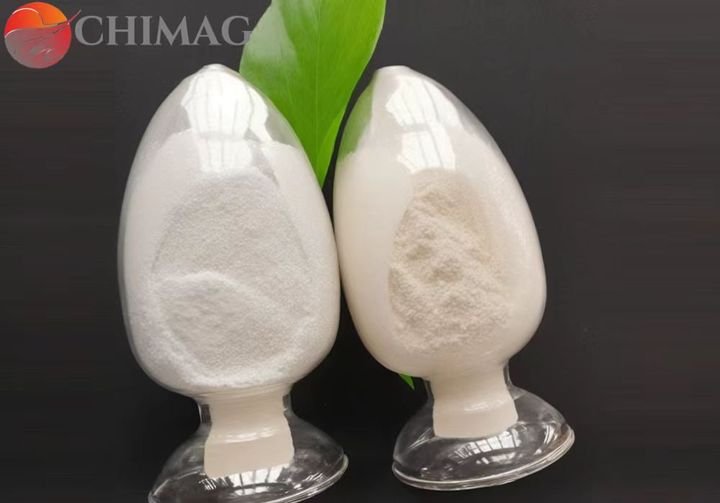
What Does the Color of Electrical Grade Magnesium Oxide Powder Really Mean?
When purchasing electrical grade magnesium oxide powder (MgO powder) for tubular heating elements, cartridge heaters, or immersion heaters, many engineers and buyers notice that products from different manufacturers vary in color.
Common questions include:
- Why are some MgO powders bright white while others are off-white or grayish-white?
- Why does high-temperature magnesium oxide powder often appear less white?
- Does a whiter powder always indicate higher quality?
- Can color be used to judge electrical insulation performance?
The answer is no.
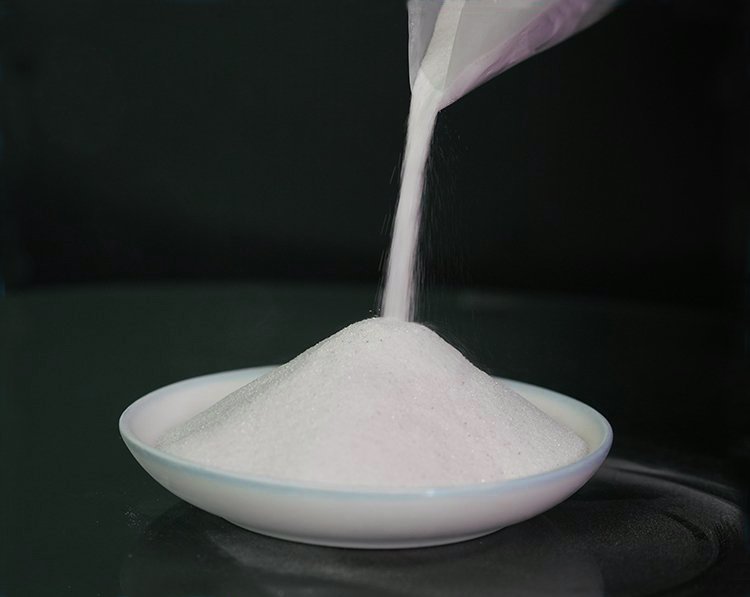
Although color reflects certain aspects of raw materials and manufacturing processes, it does not directly determine the electrical insulation, thermal conductivity, or service life of electrical grade magnesium oxide powder.
Instead, performance depends primarily on raw material purity, crystal structure, calcination process, particle size distribution, moisture content, and impurity control.
This article explains the different colors of electrical grade MgO powder, why they occur, how color is evaluated, and which technical properties truly matter when selecting magnesium oxide powder for heating elements.
What Colors Does Electrical Grade Magnesium Oxide Powder Come In?
Electrical grade magnesium oxide powder is not always pure white. Depending on the source of raw materials and manufacturing process, it is commonly available in several different shades.
| Color | Commonality | Normal? | Typical Application |
|---|---|---|---|
| Bright White | ★★★★☆ | Yes | High-purity electrical grade MgO |
| Off-White | ★★★★★ | Yes | Most common electrical grade powder |
| Grayish-White | ★★★★☆ | Yes | Fused MgO and high-temperature applications |
| Light Yellow | ★★★☆☆ | Yes | High-temperature calcined MgO |
| Dark Yellow | ★☆☆☆☆ | Requires evaluation | May indicate higher impurity levels |
| Brown or Black | Rare | Not Recommended | Possible contamination or abnormal processing |

Industry Insight: For high-temperature heating elements, off-white and grayish-white magnesium oxide powders are often more common than snow-white products.
Why Does Electrical Grade Magnesium Oxide Powder Have Different Colors?
1. Raw Material Purity Determines the Base Color
Electrical grade MgO is primarily produced from natural magnesite ore.
Trace impurities within the ore directly influence the powder’s appearance.
| Impurity | Effect on Color |
|---|---|
| Fe₂O₃ (Iron Oxide) | Yellowish or grayish tint |
| MnO (Manganese Oxide) | Slight gray coloration |
| SiO₂ (Silica) | Reduces whiteness |
| CaO (Calcium Oxide) | Slight creamy or yellow appearance |
Higher-purity magnesite generally produces a whiter powder, but whiteness alone should never be used as the primary quality indicator.
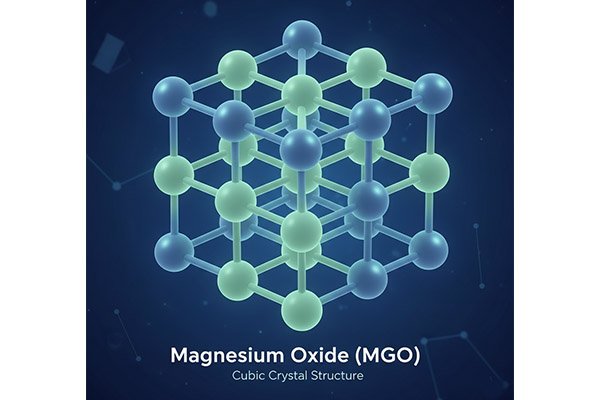
2. High-Temperature Calcination Changes the Color
Electrical grade magnesium oxide powder is typically calcined between 1,600°C and 2,000°C.
As calcination temperature increases:
- Crystal grains grow larger.
- Light reflection characteristics change.
- The powder may shift from bright white to off-white or grayish-white.
Therefore, slight color variations are a natural consequence of the manufacturing process.
3. Fused Magnesium Oxide Is Naturally More Grayish
Premium heating elements often use Fused Magnesium Oxide (Fused MgO) because of its superior high-temperature performance.
Compared with conventionally calcined MgO, fused MgO has:
- Larger crystal grains
- Higher density
- Better electrical insulation at elevated temperatures
- Improved thermal stability
These structural differences also make fused MgO appear more grayish-white rather than bright white.
4. Surface Treatment May Cause Slight Yellowing
Many electrical grade magnesium oxide powders undergo silicone oil treatment or other hydrophobic surface treatments to reduce moisture absorption.
After treatment, the powder may develop a slight yellow tint, which is completely normal and does not negatively affect electrical performance.

Why Isn’t High-Temperature Magnesium Oxide Powder Pure White?
Many buyers assume that the whitest MgO powder must be the best.
However, this is often not true for heating elements operating continuously above 800°C.
High-temperature electrical grade MgO is designed to maximize:
- High-temperature insulation resistance
- Thermal conductivity
- Thermal cycling durability
- Resistance to sintering
- Moisture resistance
These properties depend primarily on crystal structure and firing technology, not on color.
In fact, MgO powders fired at extremely high temperatures often appear off-white or grayish-white, yet provide significantly better performance than brighter-looking alternatives.
Does Powder Color Indicate Product Quality?
The short answer is no.
Color provides only limited information about raw materials and manufacturing methods.
For example:
- A snow-white powder with poor particle size distribution may exhibit inferior insulation performance.
- A grayish-white fused MgO powder may offer much better high-temperature stability and a longer service life.
When selecting electrical grade magnesium oxide powder, engineers should evaluate multiple performance indicators rather than appearance alone.
| Property | Importance |
|---|---|
| MgO Purity | ★★★★★ |
| High-Temperature Volume Resistivity | ★★★★★ |
| Thermal Conductivity | ★★★★★ |
| Moisture Content | ★★★★★ |
| Particle Size Distribution | ★★★★★ |
| Bulk Density | ★★★★☆ |
| Fe₂O₃ Content | ★★★★☆ |
| Whiteness (Color) | ★★☆☆☆ |
How Is the Color of Electrical Grade MgO Powder Measured?
Manufacturers typically evaluate powder color using one or more of the following methods.
1. Whiteness Meter
A whiteness meter measures the Whiteness Index, providing a quantitative evaluation of powder brightness.
This is the most widely used method in the MgO industry.
2. CIE L*a*b* Color System
The internationally recognized CIE L*a*b* color space evaluates color using three parameters:
- L* = Lightness (0–100)
- a* = Green to Red
- b* = Blue to Yellow
A higher L* value generally indicates a brighter and whiter powder.
3. Visual Comparison Under Standard Lighting
Many laboratories also compare powder samples with reference standards under controlled lighting conditions to ensure batch-to-batch color consistency.
Frequently Asked Questions
Why isn’t magnesium oxide powder pure white?
High-temperature firing, mineral composition, and fused processing naturally affect the powder’s appearance. Off-white, grayish-white, and light yellow are all considered normal colors for electrical grade MgO.
Can light yellow magnesium oxide powder still be used?
Yes.
If its chemical composition, insulation resistance, thermal conductivity, and moisture content meet specifications, light yellow MgO powder is fully suitable for manufacturing heating elements.
Why is fused magnesium oxide grayish-white?
Fused MgO develops larger crystal structures during the electric fusion process. These crystals reflect light differently, giving the powder a grayish-white appearance while significantly improving high-temperature performance.
Does a whiter powder always mean higher quality?
No.
For electrical heating applications, electrical insulation, thermal conductivity, particle size distribution, and high-temperature stability are far more important than color alone.
Conclusion
Electrical grade magnesium oxide powder is commonly available in bright white, off-white, grayish-white, and light yellow shades. These color differences result from variations in raw material purity, calcination temperature, fused processing, impurity levels, and surface treatment.
Color is simply an appearance characteristic—it is not a direct indicator of product quality.
For cartridge heaters, tubular heating elements, immersion heaters, and other high-temperature electric heating applications, engineers should prioritize:
- Electrical insulation resistance
- Thermal conductivity
- Moisture content
- Particle size distribution
- High-temperature stability
rather than pursuing the whitest powder available.
Choosing magnesium oxide powder based on comprehensive performance data instead of appearance alone will result in more reliable heating elements, longer service life, and improved overall product quality.
