 Skip to content
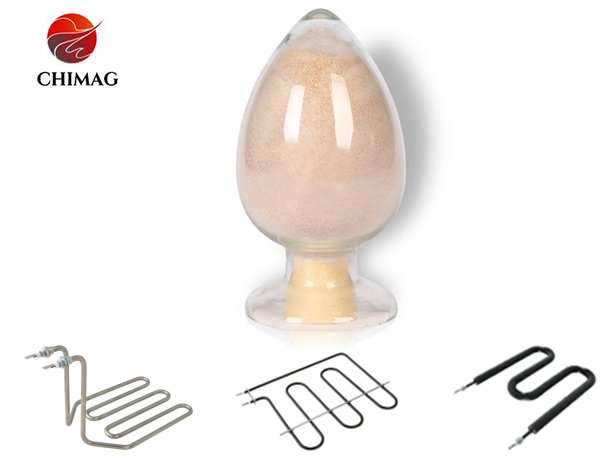
If your tubular heating elements fail frequently, heat unevenly, or warm up too slowly, the answer is almost always inside the fill material. The key to fixing poor thermal conductivity is using high-purity, high-density electrical-grade magnesium oxide (MgO) powder. This powder does more than just transfer heat from the resistance wire to the metal sheath — it is the very foundation of electrical insulation and long-term safety.
Below, we explore the material science and industrial practices that explain why the quality of your tubular heater magnesium oxide powder directly determines your heater’s lifespan.
The Thermal Pain Point: Why Cheap Fillers Are Efficiency Killers
In many failed heating tubes, the real problem is not the expensive resistance wire, but the overlooked insulating filler. Users typically face these pain points:
- Severe thermal lag: Low-purity MgO contains impurities that act as thermal barriers. Heat from the resistance wire cannot be exported quickly, causing the sheath temperature to lag far behind the design specification.
- Hot spots and burnouts: Uneven particle distribution or poor flowability leads to localized overheating or cold spots on the tube wall. Over time, the resistance wire at a hot spot will melt and break.
- Risk of dielectric breakdown: Low-grade powder with a high moisture absorption rate (hydration) traps residual water after sealing. At the moment of power-on, this leads to immediate insulation breakdown.
To solve these issues, you must focus on the core physical and chemical indicators of electrical-grade MgO powder.
Core Selection Criteria for the Best Electrical-Grade MgO Powder
Not all magnesium oxide is “electrical grade.” For high-watt-density or high-temperature tubular heaters, these four indicators determine success or failure.
1. Particle Shape and Flow Rate: The Key to Compaction Density
Fused magnesia particles should be nearly spherical or rhombohedral, not flaky or needle-like. High-flow-rate powder settles rapidly during vibration filling, reaching maximum theoretical density and expelling air to the greatest extent possible. Since air is a poor heat conductor, reducing voidage directly boosts thermal conductivity.
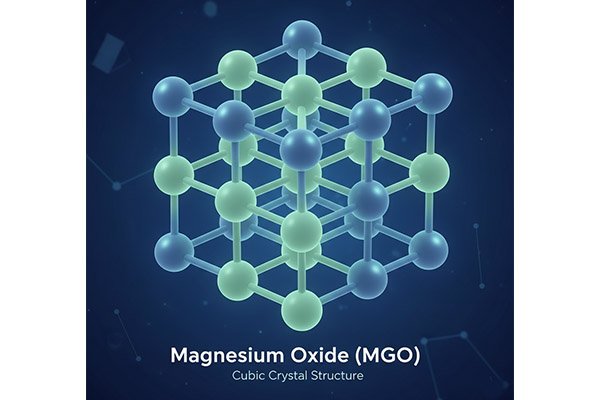
2. Chemical Composition: Purity Equals Life Span
To prevent ionic conduction at high temperatures, the following limits must be strictly observed:
- MgO Content: Typically ≥ 96%, and for high-temperature types, ≥ 98%.
- Iron, Silicon, and Calcium Impurities: These form a low-melting-point glassy phase at high temperatures, which not only drastically lowers insulation resistance but also corrodes the resistance wire.
- Sulfur and Boron: Even trace amounts can cause severe erosion of the heating wire at temperatures above 1000°C.
3. Hydration Rate and Storage
Tubular heater magnesium oxide powder is extremely hygroscopic. A premium product should undergo special coating treatment or high-temperature calcination to achieve very low moisture absorption. Once opened, use it quickly in a low-humidity environment (< 50% RH).
4. The Balance of Electrical Insulation and Thermal Conduction
The perfect electrical-grade MgO powder is a contradiction in unity: it must be an absolute electrical insulator, while also being an excellent thermal conductor. Typical requirements:
- Leakage current: < 0.5 mA at high temperature.
- Thermal conductivity: 3–6 W/m·K after dense compaction.
Practical Advice: How to Apply It Correctly for Best Heat Transfer
Having the right powder is just the first step. The manufacturing process is equally important. These operational tips will help you avoid 90% of thermal conductivity problems:
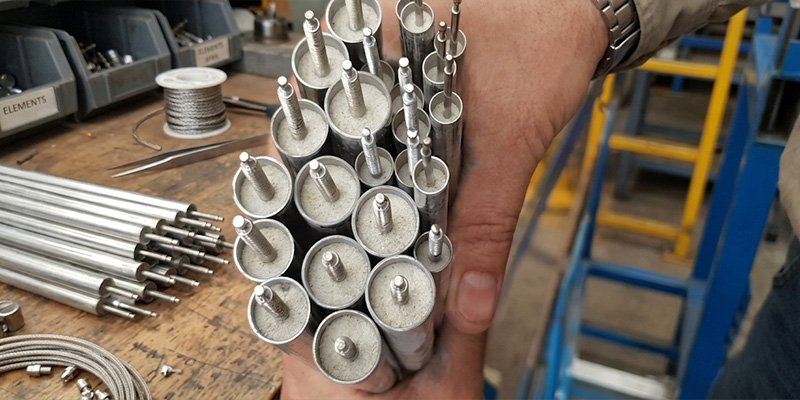
- Compaction is everything: Simply filling the tube is not enough. You must use rotary swaging or rolling (tube reduction). This step compresses the powder into a hard, rock-like mass that intimately contacts both the resistance wire and the outer sheath.
- Fill in stages: For long tubes, use a “fill-tamp-fill again” cycle to prevent bridging and voids.
- High-temperature moisture removal: After filling and before sealing, the element must be baked for an extended period at high temperature to thoroughly eliminate all traces of bound water.
- For high-temperature environments: When operating temperatures exceed 800°C, always consult your supplier about using high-temperature modified MgO powder. The electrical conductivity of standard electrical-grade powder drops sharply as temperature rises.
Conclusion
The quest for the best magnesium oxide powder for tubular heating elements is essentially the quest for the highest purity, the best particle size distribution, and the lowest moisture absorption. Do not sacrifice the entire heating element’s performance for the sake of a cheap filler. Choosing a compliant tubular heater magnesium oxide powder and pairing it with a rigorous tube-reduction process is the most direct way to cure poor thermal conductivity and significantly extend the equipment’s service life.
