 Skip to content
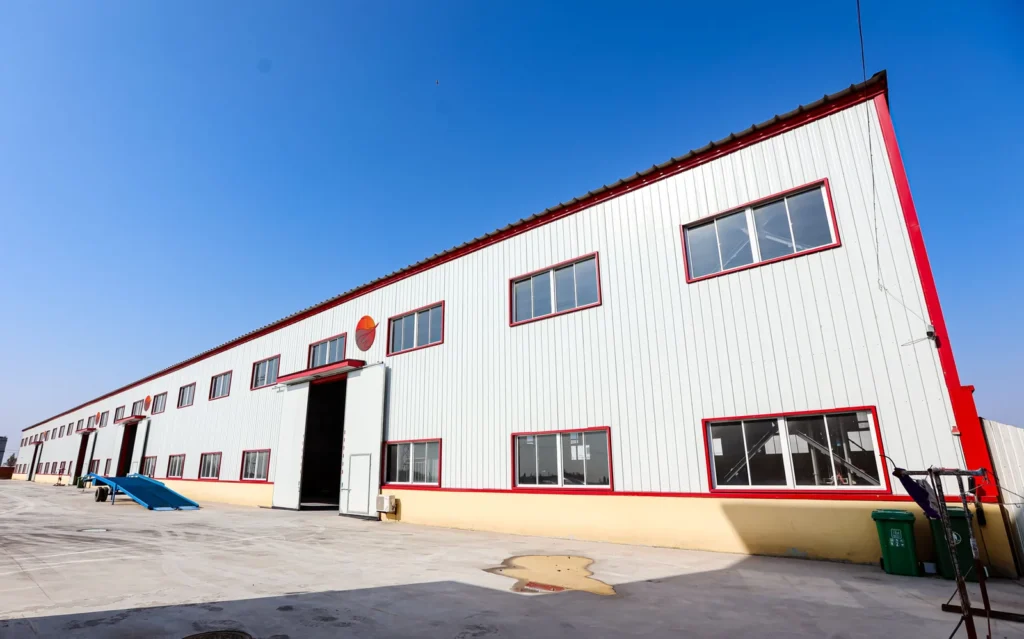
Finding a high-quality magnesium oxide supplier can be time-consuming and fraught with hidden pitfalls. This professional B2B procurement guide provides a scientific evaluation process to help you screen and select a reliable MgO powder Manufacturer. By doing so, you can significantly reduce supply chain risks and elevate the quality of your final products.
Key Takeaways
- Verify Qualifications and Purity: Ensure the manufacturer has ISO quality system certifications and third-party testing reports like SGS.
- Evaluate Capacity and Sourcing: Prioritize direct factories with their own magnesite mines or stable raw material reserves.
- Request Samples and Customization: A superior supplier can adjust the chemical activity and mesh size of the powder based on your specific application.
- Focus on Moisture Protection: Mandate the use of moisture-proof jumbo bags with inner liners to prevent degradation during transit.
What is an MgO powder Manufacturer?
An MgO powder Manufacturer is an industrial enterprise specializing in the mining, calcination, and deep processing of magnesium oxide raw materials. They produce varying purity grades of powder through the processing of magnesite ore or seawater extraction methods.
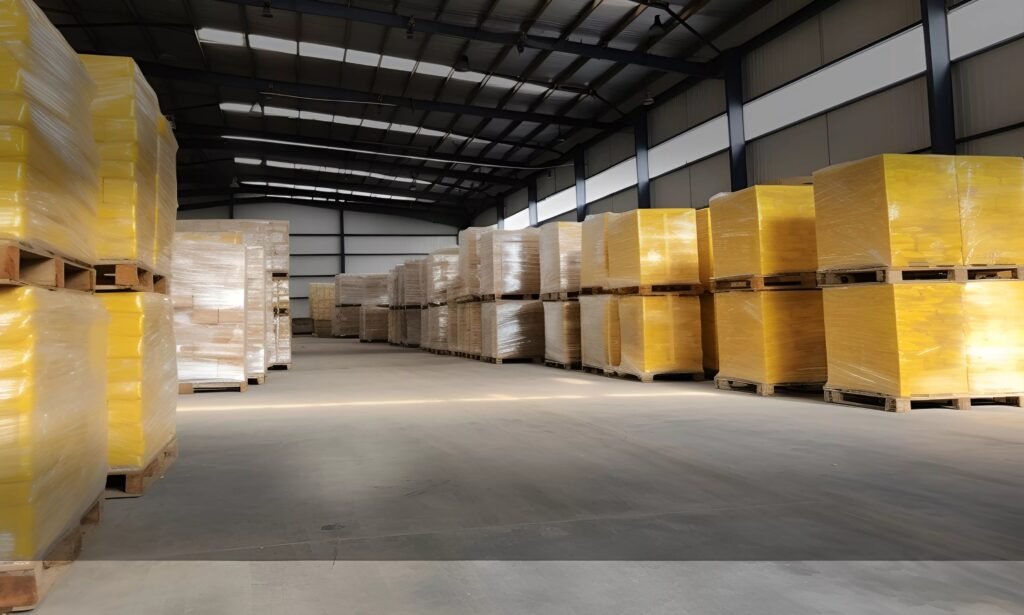
These manufacturers supply core materials for multiple industries, including agricultural fertilizers, flame-retardant cables, high-end refractories, and pharmaceuticals. An excellent manufacturer is not just a raw material vendor; they act as a technical partner offering customized physiochemical solutions.
Tools and Material Checklist for Supplier Audits
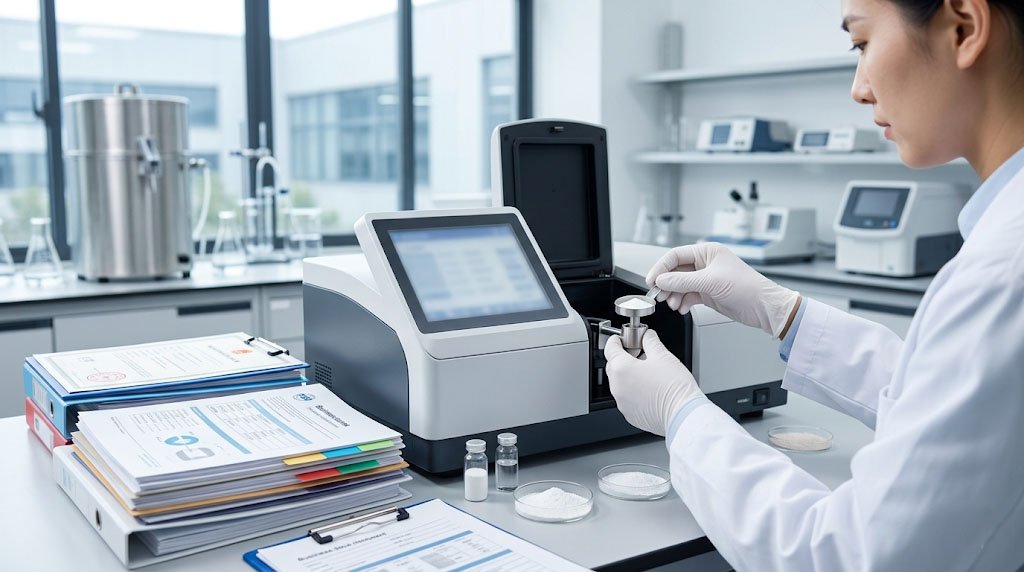
Before purchasing in bulk, you need to prepare the following "tools" and documents to strictly audit candidate suppliers:
- Corporate Compliance Qualifications: Business license copies, and ISO9001/14001 certificates.
- Product Technical Documents: The latest Technical Data Sheets (TDS) and Material Safety Data Sheets (MSDS).
- Authoritative Testing Reports: Third-party Certificates of Analysis (COA) for purity and heavy metal content.
- Sample Testing Equipment: In-house laboratory instruments used by your company to evaluate whiteness, fineness (mesh), and chemical activity.
How to Choose the Right Magnesium Oxide Specifications
Different industrial applications have distinct requirements for the physiochemical properties of magnesium oxide. When contacting an MgO powder Manufacturer, clearly defining your required product specifications is absolutely crucial.
Heavy MgO vs. Light MgO
Heavy MgO (dead-burned magnesium oxide) is densely packed with a high bulk density, typically calcined at extremely high temperatures. It is mainly used in refractories, the ceramics industry, and building boards requiring high structural strength.
Light MgO (light-burned magnesium oxide) is highly porous with a massive specific surface area and excellent chemical reactivity. It is the ideal choice for rubber additives, plastic flame retardants, environmental desulfurization, and pharmaceutical preparations.
| Parameter Metrics | Heavy MgO (Dead Burned) | Light MgO (Light Burned) | Applicable Industries |
|---|---|---|---|
| Purity Range | 85% – 95% | 95% – 99.9% | Refractories, Building Boards / Pharma, Fine Chemicals |
| Bulk Density | High (approx. 1.2 – 1.5 g/mL) | Low (approx. 0.1 – 0.2 g/mL) | Ceramics, Friction Materials / Rubber, Plastic Additives |
| Chemical Activity | Lower | Extremely High | Fertilizers, Abrasives / Flame Retardants, Antacids |
| Production Process | High-temperature calcination | Low-temperature precise control | N/A |
Preparation and Safety Precautions Before Bulk Procurement
Before signing long-term bulk contracts with any MgO powder Manufacturer, conducting systematic risk assessments is essential. First, ensure your warehouse has excellent moisture protection and ventilation. Magnesium oxide powder easily absorbs moisture and carbon dioxide from the air, which causes severe clumping.
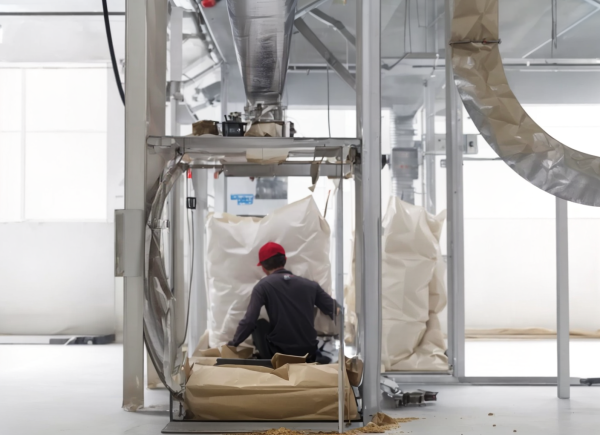
Secondly, clarify international trade terms (e.g., FOB, CIF) with the supplier in advance. Your contract must detail packaging standards, such as requiring 25kg woven bags or 1000kg jumbo bags with double-layered plastic inner liners to guarantee absolute dryness during sea freight.
Step-by-Step Practical Guide: How to Pick a Reliable Supplier
Follow these standardized steps to systematically screen for the most trustworthy manufacturing partner:
- Step 1: Define Technical Metrics. List your precise requirements, including MgO content (e.g., 90%, 95%), mesh size, activity level, and Loss on Ignition (LOI).
- Step 2: Background Checks. Utilize B2B sourcing platforms, customs export data, and industry exhibitions to shortlist 3-5 candidate MgO powder Manufacturer companies.
- Step 3: Request Samples and TDS. Ask these factories for free samples and corresponding batch testing reports, then have your technical team conduct comparative lab tests.
- Step 4: Factory Audits. Conduct an on-site or video audit focusing on their calcination kilns, dust removal facilities, and warehousing scale to assess their resilience against production fluctuations.
- Step 5: Start with a Trial Order. Once intentions are confirmed, place a small trial order for one container (e.g., 20 tons) to test bulk quality consistency, logistics efficiency, and after-sales responsiveness.
Common Mistakes to Avoid
- Focusing Only on the Lowest Price: Quotes significantly below the market average often indicate fake purity or adulteration with cheap fillers like talc. Solution: Stick to the "cost-effectiveness" principle and arrange for third-party random sampling before shipment.
- Ignoring Activity Degradation: The chemical activity of light-burned magnesium oxide decreases over time and with moisture exposure. Solution: Require the manufacturer to produce "made-to-order" batches and refuse to purchase long-hoarded stock.
- Failing to Verify Environmental Compliance: With tightening environmental regulations globally, non-compliant mines and processing plants risk sudden government shutdowns. Solution: Always verify the supplier’s environmental assessment certificates and prioritize large, compliant enterprises.
FAQs About Sourcing from an MgO powder Manufacturer
Q: What is the sourcing difference between industrial-grade and food/pharma-grade MgO?
A: Food and pharma grades have strictly restricted heavy metal limits (like lead and arsenic) and must be produced in GMP-certified cleanrooms. You must request specific sanitary certifications, whereas industrial-grade focuses more on raw purity and physical activity.
Q: What color should high-quality magnesium oxide powder be to the naked eye?
A: Typically, high-purity magnesium oxide is pure white. If the powder appears yellowish, grayish, or has obvious impurity particles, it usually means it contains higher levels of iron or silicon impurities.
Q: What is the typical lead time for a bulk order?
A: This depends on your order volume and customization needs. A mature MgO powder Manufacturer can generally complete production and port delivery for 1-2 containers within 10-15 business days after order confirmation.
Conclusion
Selecting a reliable MgO powder Manufacturer is a core strategy to ensure stable final product quality and reduce your production costs. By rigorously auditing corporate qualifications, comparing key technical metrics, and following a scientific trial order process, you can build an unbreakable B2B supply chain.
Ready to upgrade your raw material supply chain? Use the checklist in this article to evaluate your candidate suppliers today, or contact an industry-leading manufacturer to get a free magnesium oxide sample and customized quote!
