 Skip to content
For manufacturers of heating elements and industrial cables, balancing excellent thermal conductivity with flawless electrical insulation is a constant engineering challenge. Equipment failure due to poor insulation not only damages brand reputation but can also lead to catastrophic safety hazards. The most reliable solution to this challenge lies in a highly specialized core material: electrical grade magnesium oxide powder.
In this comprehensive guide, we will break down what this powder is, how it functions as the ultimate insulation material for heating elements, and how to choose and process it to ensure your products meet stringent safety and performance standards.

What is Electrical Grade Magnesium Oxide Powder?
Electrical Grade Magnesium Oxide (MgO) powder is a highly refined, crystalline ceramic material manufactured through the electro-fusion of calcined magnesite. Unlike standard agricultural or commercial MgO, the electrical grade undergoes rigorous purification and crushing processes to achieve specific particle size distributions (mesh sizes) and magnetic impurity removals.
How Does It Work?
In a typical electrical heating element, a resistive heating wire (like Nichrome) is placed inside a metal tube. MgO powder for heating elements is densely packed into the void between the wire and the outer metal sheath.
Unlike active thermoelectric materials that generate voltage from temperature differences, MgO serves purely as a passive, dual-function barrier:
- Perfect Electrical Insulator: It strictly contains the live electrical current, preventing the heating wire from short-circuiting to the outer metal sheath.
- Excellent Thermal Conductor: It rapidly transfers the intense heat generated by the wire to the outer metal sheath, ensuring efficient heat distribution to the surrounding environment (water, air, or metal).
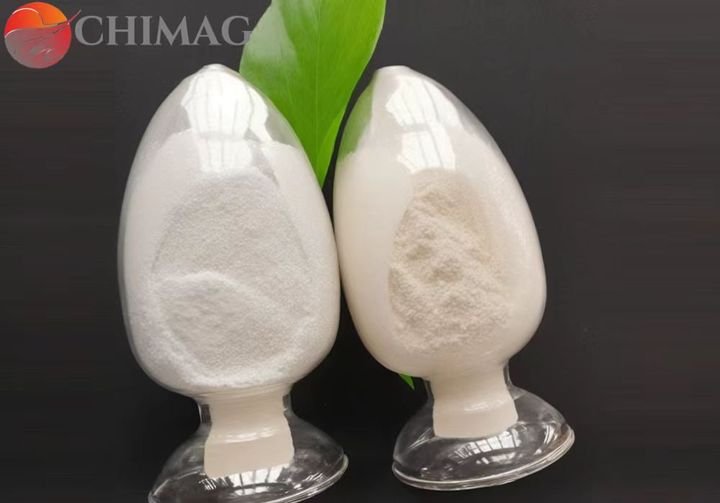
Comparative Analysis: Electrical Grade MgO vs. Alternatives
When engineering heating components, material selection is critical. The foundation of reliable magnesium oxide insulation outshines many alternatives. Here is how it compares to standard commercial MgO and other ceramics like Aluminum Oxide (Alumina) or magnesium aluminum oxide (spinel).
| Feature/Metric | Electrical Grade MgO | Commercial Grade MgO | Aluminum Oxide / Magnesium Aluminum Oxide |
|---|---|---|---|
| Electrical Insulation | Exceptional (even at high temps) | Low to Moderate | Excellent |
| Thermal Conductivity | High | Low | Very High / Moderate |
| Moisture Absorption | Low/Treated (silicone-coated options) | High (highly hygroscopic) | Very Low |
| Cost-Effectiveness | High (optimal balance for B2B) | Low (unsuitable for electrical use) | Low (expensive for bulk filling) |
| Primary B2B Application | Tubular heater insulation material, MICC cables | Agriculture, refractories | Specialized electronics, high-wear ceramics |
Core Industrial Applications
Specialized electric magnesium powders are indispensable across several critical manufacturing sectors:
1. Industrial and Home Appliance Heating Elements

Different heater types require specific flow rates and tap densities:
- MgO powder for tubular heaters: Used in washing machines and industrial heating. It provides structural support to the coil during bending and rolling.
- MgO powder for cartridge heaters: Requires high-density packing and superior flowability to fit into compact, high-watt-density industrial molds.
- MgO powder for immersion heaters: Must withstand rapid thermal cycling and prolonged high-temperature exposure with zero electrical leakage.
2. Mineral Insulated Copper-Clad (MICC) Cables

In the construction and aerospace sectors, MgO powder for MICC cables acts as the primary mineral insulated cable insulation. As a fully inorganic, fire-resistant cable insulation material, it will not burn or emit toxic fumes, allowing cables to operate emergency systems even when exposed to flames exceeding 1000°C.
Crucial Manufacturing & Processing Precautions
Even with premium powder, improper manufacturing processes can compromise insulation. Engineers must adhere to these strict precautions:
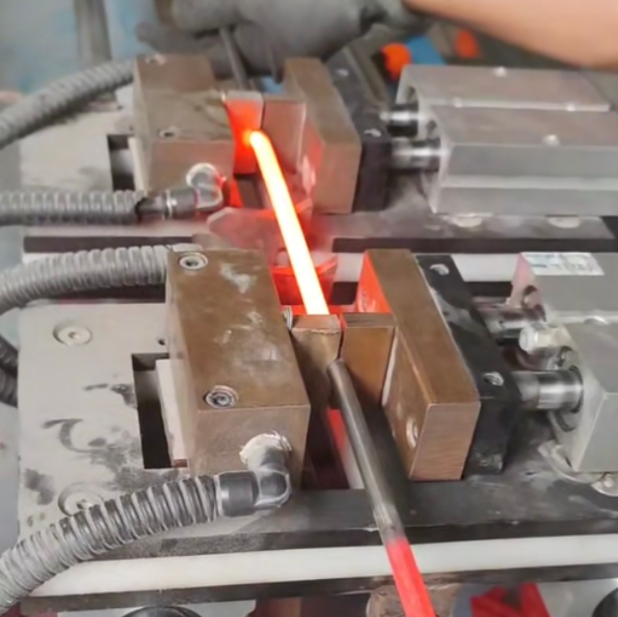
- Wire Selection for Long Tubes (Annealing): For long stainless steel heating elements (e.g., 4–6 meters) that require 900°C high-temperature annealing before bending, strictly use Nickel-Chromium (Ni-Cr) resistance wire instead of Iron-Chromium-Aluminum (Fe-Cr-Al). Aluminum has a strong affinity for oxygen. At 900°C, it will scavenge oxygen from the MgO, reducing it to metallic magnesium and turning the powder black, which destroys its insulating properties. Ni-Cr wire prevents this reduction at high annealing temperatures.
- Optimize Compaction and Thickness: Increasing the MgO compaction density and minimizing the insulation layer thickness effectively lowers the operating temperature of the powder and resistance wire, significantly extending the heater’s service life.
- Strict Tube Preparation: Inner tube walls must be entirely free of organic residues and rust. Iron tubing, in particular, must undergo strict acid-pickling, drying, and rust removal. Once prepped, tubes must be filled immediately.
- Pre-Calcination (Roasting): To eliminate the risk of blackening caused by trace organic impurities naturally present in the powder, it is highly recommended to subject the MgO powder to a calcination (roasting) treatment right before the tube-filling process.
Sourcing and Selection Guide for Buyers
Procuring the right heating element insulation powder directly impacts your production yield:
- Temperature Grade: Select between High, Medium, and Low-Temperature powders based on your element’s operating heat.
- Particle Size Distribution (Mesh Size): A balanced mix of coarse, medium, and fine particles ensures maximum tap density.
- Moisture Resistance: For low to medium-temperature applications, silicone-treated powder prevents moisture absorption during storage and manufacturing.
Frequently Asked Questions (FAQ)
1. What is the magnesium oxide electrical conductivity?
In its pure, electrical-grade form, magnesium oxide electrical conductivity is extraordinarily low (making it highly resistive). At room temperature, it acts as a nearly perfect insulator. While its conductivity slightly increases at extremely high temperatures, high-quality electrical grade MgO maintains sufficient insulation resistance to keep heating elements safe and functional well above 800°C.
2. What causes MgO powder to turn black inside the tube?
Blackening is typically caused by two factors: the reduction of MgO to metallic magnesium (often due to using aluminum-rich resistance wires during high-temperature annealing) or the carbonization of trace organic impurities inside the powder or on the uncleaned inner walls of the metal tube.
3. What is the difference between high-temperature and low-temperature MgO powder?
Low-temperature powder is typically treated with silicone for moisture resistance but cannot operate at extreme heat. High-temperature powder is untreated, withstands extreme heat (up to 1000°C+), but requires strict humidity control during manufacturing.
Partner with CHIMAG for Premium MgO Solutions
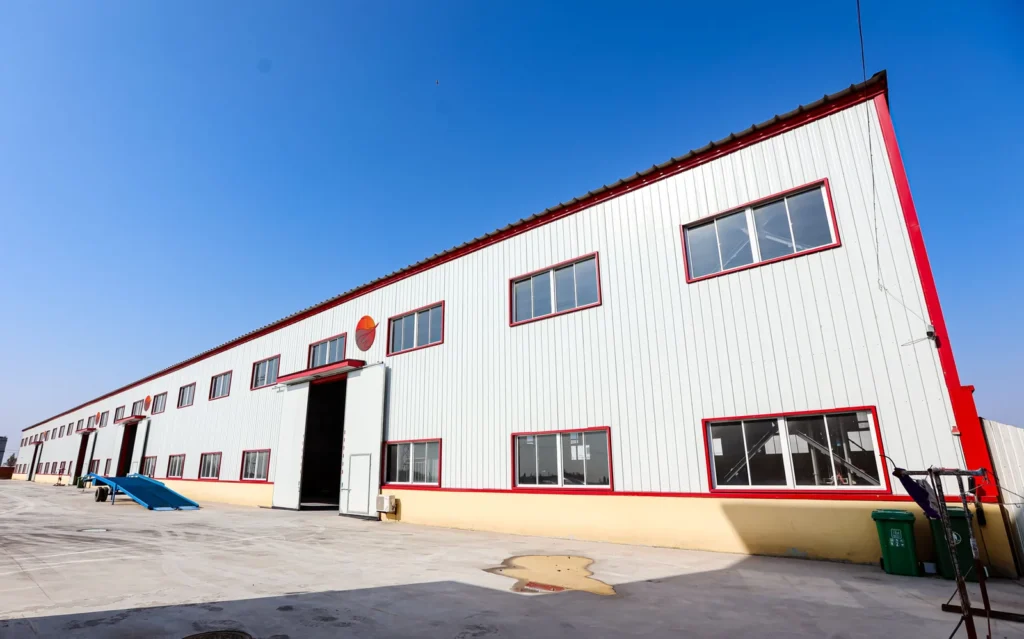
Choosing the right insulation material for heating elements is the foundation of a safe, efficient, and long-lasting product. Substandard materials lead to high scrap rates, electrical failures, and compromised safety.
As a premier global magnesium company, CHIMAG specializes in the manufacturing and supply of premium electrical grade magnesium oxide. Whether you need customized MgO powder for MICC cables production or highly flowable MgO powder for cartridge heaters, our engineering team is ready to provide precise particle distributions, rigorous purity controls, and reliable global shipping.
Ready to upgrade your manufacturing quality and reduce product failure rates? Contact the CHIMAG technical team today for a customized quote, material samples, and expert selection support tailored to your specific application.
