 Skip to content
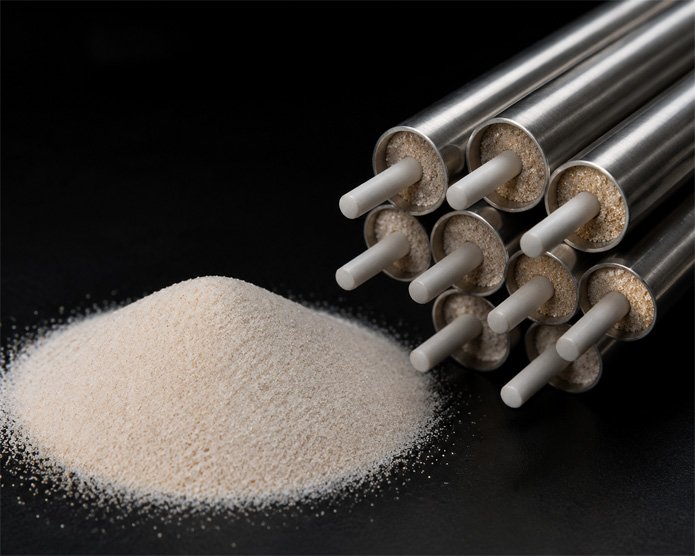
The performance of a tubular heating element largely depends on an invisible material — electrical grade magnesium oxide (MgO) powder.
As the insulating and heat-conducting material filled between the resistance wire and the metal sheath, MgO powder plays a critical role in determining the heating element’s service life, thermal efficiency, and electrical safety.
Choosing the wrong MgO powder may cause uneven heating, reduced efficiency, insulation failure, or even serious problems such as electrical leakage and tube burnout.
So, how can you select the right magnesium oxide powder for your heating elements?
This article explains the 5 key factors you need to consider.
Why Is Magnesium Oxide Powder Essential for Tubular Heating Elements?
Currently, the main filling materials used in tubular heating elements include:
- Quartz sand
- Aluminum oxide
- Electrical grade magnesium oxide powder
Among them, MgO powder has become the most widely used filling material because of its excellent overall performance.
Main Advantages of MgO Powder:
Excellent Electrical Insulation
MgO effectively separates the resistance wire from the metal sheath, preventing electrical leakage and improving safety.
High Thermal Conductivity
It quickly transfers heat generated by the resistance wire to the outer surface of the heating tube, improving heating efficiency.
Excellent High-Temperature Stability
Magnesium oxide remains stable under extreme temperatures and can withstand very high heat conditions.
Cost-Effective Material
MgO is widely available and provides an excellent balance between performance and cost.

In simple terms, magnesium oxide powder is the core material inside a tubular heating element. Its quality directly affects the reliability and performance of the final product.
Five Key Factors for Selecting the Right MgO Powder
Choosing MgO powder is not about selecting the most expensive product.
The correct choice depends on:
- Operating temperature
- Heating environment
- Tube diameter
- Production process
- Required service life
The following five factors are the most important.
1. Working Temperature: The First Selection Factor
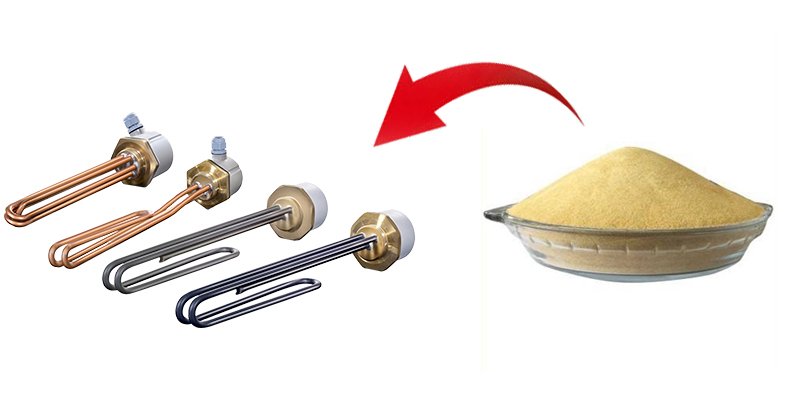
Temperature is the most basic factor when selecting MgO powder.
Different operating temperatures require different grades of magnesium oxide powder.
| MgO Grade | Working Temperature | Typical Applications |
|---|---|---|
| Low-temperature grade | ≤400°C | Low-load heating elements working in liquids |
| Medium-temperature grade | 400°C – 600°C | Air conditioner heaters, coffee maker heaters, electric iron heaters |
| High-temperature grade | 600°C – 850°C | Microwave oven heaters, bakery heaters, dry heating applications |
| Ultra-high temperature grade | 800°C – 3000°C | Industrial heating, aerospace, and advanced applications |
Important:
Do not replace high-temperature MgO powder with medium-temperature powder.
Under high temperatures, insulation performance may decrease rapidly, which can lead to:
- Reduced electrical resistance
- Shortened service life
- Heating tube failure
2. Particle Size (Mesh): Determines Filling Density
Mesh size represents the fineness of MgO powder.
The correct particle size directly affects:
- Filling density
- Compression performance
- Insulation reliability
- Resistance wire protection
If the Particle Size Is Too Fine:
- Larger surface area
- Easier moisture absorption
- Reduced insulation performance
- Shorter service life
If the Particle Size Is Too Coarse:
- May damage the resistance wire during tube reduction
- May cause resistance wire movement
- May result in uneven heating performance
Recommended Mesh Range According to Tube Diameter:
| Tube Diameter | Recommended MgO Mesh Range |
|---|---|
| ≥8mm | 40 mesh – 325 mesh |
| 6.5mm – 8mm | 50 mesh – 325 mesh |
| ≤6.5mm | 60 mesh – 325 mesh |
3. Purity and Impurities: Hidden Factors Affecting Service Life
Electrical grade magnesium oxide normally requires a purity level of 96% or higher.
Among all impurities, iron oxide (Fe₂O₃) has one of the biggest impacts on heating element performance.
Fe₂O₃ Content
High Fe₂O₃ levels can reduce insulation resistance at high temperatures and shorten the service life of heating elements.
The industry generally requires:
Fe₂O₃ ≤0.5%
Other trace elements may also affect performance, including:
- Boron (B)
- Sulfur (S)
- Phosphorus (P)
- Carbon (C)
For example:
Excessive boron content may cause MgO powder to sinter during operation, affecting heat transfer and insulation performance.
Therefore, always select reliable MgO suppliers and request a complete material analysis report before purchasing.
4. Density and Flow Rate: Matching Your Production Process
Density and flow rate mainly affect:
- Powder filling process
- Tube reduction process
- Final heating element quality
Flow Rate (FT)
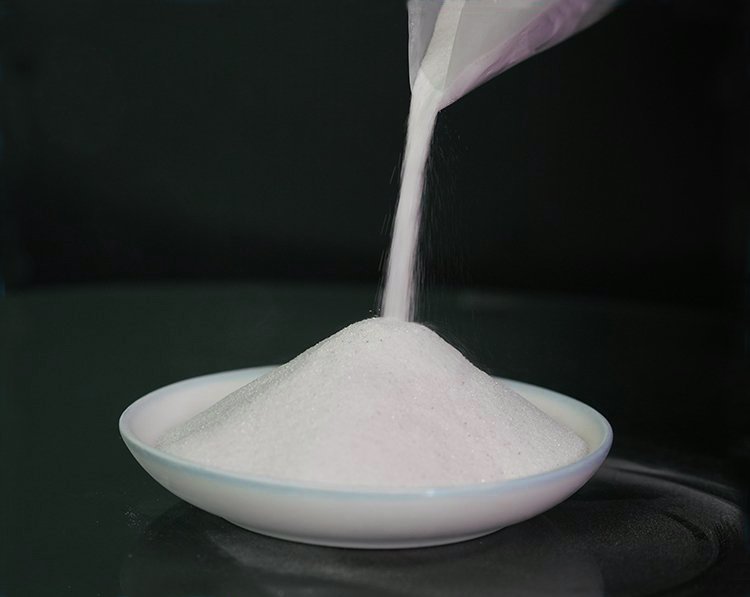
Flow rate refers to the time required for a certain amount of powder to flow through a standard opening.
The flow rate must match your filling equipment.
Too Fast:
- Uneven filling
- Material waste
- Poor process control
Too Slow:
- Low production efficiency
- Insufficient filling density
Tap Density (T.D)
Tap density affects the final compressed density after tube reduction.
Different sheath materials require different density levels.
| Tube Material | Recommended Density |
|---|---|
| Aluminum tube, copper tube | 2.36 – 2.40 g/cm³ |
| Bundy tube, stainless steel tube | Around 2.31 ±0.3 g/cm³ |
Incorrect density selection may cause:
- Tube cracking
- Poor insulation performance
- Reduced mechanical strength
- Unstable electrical performance
5. Moisture Resistance: Protecting Against the Biggest Enemy
Magnesium oxide powder is highly hygroscopic, meaning it easily absorbs moisture from the air.
Moisture absorption can seriously reduce:
- Insulation resistance
- Electrical safety
- Heating element lifetime
There are two common solutions.
Solution 1: Use Moisture-Resistant Modified MgO Powder
Modified MgO powder is specially treated to improve moisture resistance.
Advantages:
- Better storage stability
- Improved insulation performance
- Reduced moisture-related failures
Some low-temperature and medium-temperature modified powders may reduce the need for additional drying and sealing processes.
Solution 2: Standard MgO Powder + Proper Sealing
Standard MgO powder can also be used if the heating element ends are properly sealed.
Common sealing methods include:
- Glass sealing
- Ceramic sealing
- Other moisture-proof sealing materials
The best choice depends on:
- Application requirements
- Production conditions
- Cost considerations
Practical Selection: Choose MgO Powder According to Application
Besides the five key factors above, the actual heating application is also important.
Air Dry Heating Applications
Examples:
- Oven heating elements
- Industrial air heaters
Recommended:
- High-temperature MgO powder
- Moisture-resistant high-temperature grades
Water Heating Applications
Examples:
- Immersion heaters
- Water heating tubes
Recommended:
- Modified MgO powder with better moisture resistance
- Reliable sealing process
High Temperature Heat Treatment Applications
For applications reaching around 1050°C:
Selection should consider:
- Tube length
- Surface load
- Heating temperature
- Working environment
High-temperature MgO powder should be selected carefully.
Heavy modification grades are not always suitable for extremely high-temperature applications.
Surface Load Reference (W/cm²)
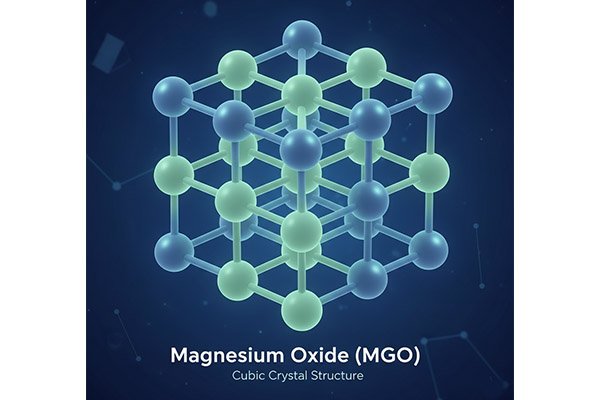
Surface load is another important factor for MgO selection.
| Surface Load | Recommended MgO Grade |
|---|---|
| Below 6 W/cm² | Low-temperature or low-medium temperature MgO |
| Below 8 W/cm² | Medium-temperature MgO |
| Below 9 W/cm² | Medium-high temperature MgO |
Higher surface loads require better MgO performance because the heating element operates under greater thermal stress.
Storage and Handling: Protect Your MgO Powder Quality
Even high-quality MgO powder can lose performance if stored incorrectly.
Keep Storage Conditions Dry
Recommended storage:
- Dry and ventilated warehouse
- Avoid direct contact with the ground
- Use plastic sheets or protective covers
Keep Packaging Sealed
After opening:
- Reseal the package immediately
- Avoid long exposure to humid air
Control Warehouse Humidity
Moisture absorbers such as:
- Quicklime (calcium oxide)
- Other humidity control materials
can help reduce moisture levels.
Follow FIFO Storage Management
The longer MgO powder is stored, the lower its activity may become.
Recommended:
- Purchase quantities that can be used within one month
- Ideally consume opened packages within half a month
Drying Before Use
If MgO powder has been stored for a long time, drying treatment may be required.
General recommendations:
| Storage Condition | Drying Recommendation |
|---|---|
| Short-term storage | 150°C for about 1 hour |
| Stored for more than 1 year | 500°C for about 4 hours |
Proper drying helps restore insulation performance and improve product reliability.
Summary: How to Select the Right MgO Powder for Heating Elements
Selecting the correct magnesium oxide powder can follow these steps:
1. Confirm Temperature Requirements
Identify the maximum operating temperature and choose the correct MgO grade.
2. Select Proper Particle Size
Choose the mesh range according to the heating tube diameter.
3. Check Purity and Chemical Composition
Confirm:
- MgO content ≥96%
- Fe₂O₃ and other impurity levels meet requirements
4. Match Production Requirements
Make sure:
- Flow rate
- Density
- Filling characteristics
match your manufacturing process.
5. Consider Moisture Protection
Choose between:
- Modified moisture-resistant MgO powder
- Standard MgO powder with proper sealing
according to your application.
6. Store and Handle Correctly
Follow proper storage procedures and dry the powder when necessary.
Before large-scale purchasing, it is recommended to conduct:
- Small-batch production testing
- Insulation resistance testing
- Leakage current testing
Only through real production verification can you confirm whether the MgO powder is fully compatible with your heating element design and manufacturing process.
