 Skip to content
Electrical grade magnesium oxide powder is the heart of tubular heating elements. It must simultaneously serve as a high-insulation barrier and a bridge for efficient heat transfer. For heating element manufacturers, thermal conductivity is the core performance indicator of electrical grade MgO powder, directly determining the heating rate, thermal uniformity, and service life of the finished heater. So, what key factors govern the heat transfer capability of this critical material? This article breaks them down from the dual perspectives of materials science and engineering application.
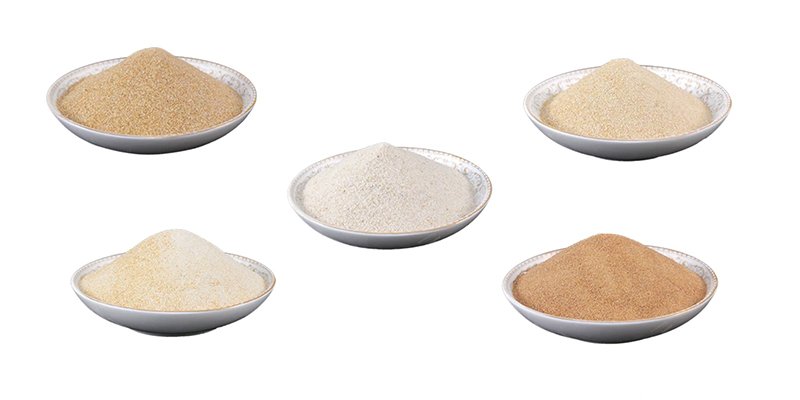
1. Chemical Purity: The Deadly Interference of Impurities
Heat conduction in magnesium oxide powder primarily relies on phonon vibration propagation. The presence of any alien atoms causes lattice distortion and intensifies phonon scattering, thereby significantly lowering thermal conductivity.
- Calcium Oxide (CaO) and Silicon Dioxide (SiO₂): These are the most common harmful impurities in electrical grade magnesia. During high-temperature sintering, they form low-conductivity silicate glassy phases that encircle MgO grains, creating grain boundary layers with extremely high thermal resistance.
- Iron Oxide (Fe₂O₃) and Aluminum Oxide (Al₂O₃): While a small amount of Al₂O₃ can act as a sintering aid, excessive amounts form spinel phases that increase interfacial thermal resistance. Iron oxide is particularly detrimental as it readily undergoes valence changes at high temperatures, compromising both insulation and thermal conductivity.
Optimization Direction: Selecting high-purity fused magnesia or dead-burned magnesia with a purity of ≥96% or even ≥99%, and strictly controlling the total amount of CaO and SiO₂, is the prerequisite for achieving high thermal conductivity.
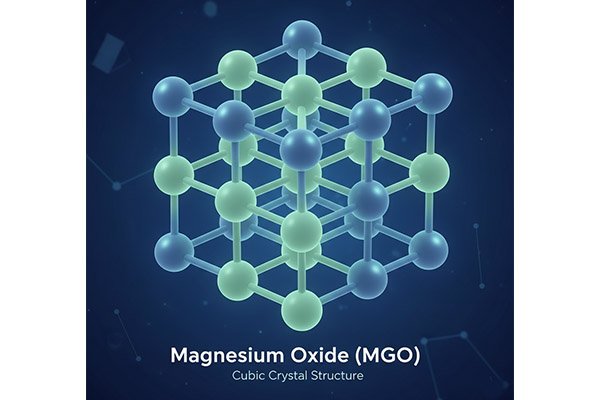
2. Particle Morphology and Size Distribution: The Art of Dense Packing
Electrical grade MgO powder is not a single-size material but a blend of particles of different sizes. Its thermal conductivity depends heavily on the efficiency of "contact conduction" between particles.
- Particle Morphology: Spherical or near-spherical particles have the lowest specific surface area, the best flowability, and the highest packing density. This effectively reduces point-contact thermal resistance between particles. In contrast, irregular, sharp-edged particles create more voids.
- Particle Size Distribution: A rational blend of coarse, medium, and fine particles is crucial. Coarse particles build the skeleton, while fine powder fills the gaps, achieving the tightest possible packing. The air trapped in voids is a poor thermal conductor (conductivity of only 0.026 W/m·K). A high tap density and compacted density means more air has been displaced, naturally leading to higher thermal conductivity.
3. Density and Grain Size: The Highway for Heat Conduction
Beyond the macroscopic packing density of the powder, the microscopic grain structure is the decisive factor for intrinsic thermal conductivity.
- Grain Size: In electrical grade MgO, larger grains mean a smaller grain boundary area, which weakens phonon scattering. Fused magnesia, produced by electro-fusion or dead-burning at very high temperatures, possesses coarse, well-developed grains and exhibits thermal conductivity far superior to that of lightly calcined magnesia. Dead-burned magnesia significantly improves average thermal conductivity through grain growth.
- Densification: The higher the porosity within the powder particles, the lower the thermal conductivity, as pores act as thermal insulation bubbles. Increasing the fill density of the MgO powder within the metal tube through gravity settling or swaging processes is the physical foundation for enhancing the overall heat dissipation rate of the heating element.
4. Temperature Effect: Performance Degradation at High Temperatures
The thermal conductivity of electrical grade MgO powder is not a fixed value but a function of temperature. Understanding this characteristic is highly valuable for heating element design.
As the operating temperature rises, lattice vibrations intensify, and the probability of phonon-phonon collisions increases dramatically, shortening the mean free path. Consequently, the thermal conductivity of magnesium oxide generally decreases with increasing temperature. This decline becomes particularly pronounced above 800°C. Furthermore, if trace amounts of low-melting-point impurities remain in the powder, their softening and creep at high temperatures may worsen the particle contact state, further impairing heat transfer.

5. Moisture and Hygroscopicity: The Invisible Killer of Thermal Conduction
This is an easily overlooked yet profoundly impactful processing factor. MgO reacts readily with moisture in the air, forming magnesium hydroxide [Mg(OH)₂].
- Thermal Degradation: Mg(OH)₂ has very low thermal conductivity, and this hydration reaction is accompanied by volume expansion, which disrupts the existing densely packed structure and creates micro-cracks.
- Insulation Failure Risk: During the initial energization of the heating element, vaporization of this moisture can easily lead to excessive leakage current or tube bursting.
- SEO Keyword Implication: A critical part of modified electrical grade MgO powder is its anti-hygroscopic treatment. Even after silicone coating, the retention rate of thermal conductivity remains the gold standard for evaluating the effectiveness of the modification.
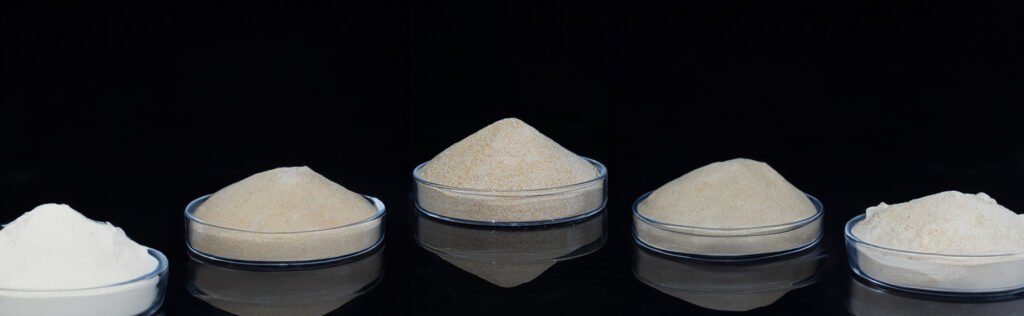
6. Additives and Surface Modification: Balancing Insulation and Thermal Conduction
To boost thermal conductivity without compromising dielectric strength, the industry often introduces high-conductivity fillers or surface treatment techniques:
- Inorganic Thermally Conductive Fillers: Such as boron nitride or silicon carbide. Adding a trace amount can form thermal bridges between MgO particles, but their potential negative impact on insulation resistance must be carefully evaluated.
- Silicone Oil Surface Treatment: The main purpose is moisture-proofing. However, if the high-quality silicone oil uniformly spreads and forms a silicon oxide layer after pyrolysis at high temperatures, it can slightly reduce contact thermal resistance. If it leaves a carbonized residue, the effect will be counterproductive.
Conclusion: How to Accurately Select High Thermal Conductivity Electrical Grade MgO Powder?
The pursuit of high thermal conductivity in electrical grade magnesium oxide powder is, in essence, the pursuit of a comprehensive balance characterized by "high purity, large grains, low porosity, dense packing, and optimized particle size distribution."
For heating element manufacturers, it is recommended to establish evaluation systems not only for conventional chemical composition and mesh size during incoming inspection, but also for the thermal conductivity degradation rate at high temperatures and compacted density. Only by exerting comprehensive control from the microscopic grain structure to the macroscopic packing state can heating elements truly achieve both rapid and safe heat transfer performance.
Note: This article provides a technical analysis of the factors affecting the thermal conductivity of electrical grade magnesium oxide powder, intended as a reference for R&D and procurement professionals in the heating element industry.
