 Skip to content
For electric heating element (heating tube) manufacturers and engineers, choosing the right insulation filling material is critical. As the "heart" of a heating element, electrical grade magnesium oxide powder (MgO) is not only responsible for conducting heat from the resistance wire to the tube wall but also must ensure insulation under high temperatures to prevent electrical leakage and short circuits.

However, in actual procurement, when faced with the electrical grade MgO powder classification, many customers feel confused: What exactly is the difference between high-temperature MgO powder, medium-temperature MgO powder, and low-temperature MgO powder? And how should one make the heating element MgO powder selection based on actual needs?
This article will provide an in-depth analysis of the core differences among these three types of MgO powder and their MgO powder temperature resistance, helping you make the most cost-effective purchasing decision.
1. Why Does Electrical Grade MgO Powder Need to Be Classified?
Electrical grade MgO powder is made from fused crystalline magnesium oxide blocks that are crushed, mixed in different particle sizes, and surface-modified (or left unmodified). Heating elements in different application scenarios vary greatly in surface load, operating environment, and target lifespan.
If high-end industrial heating tubes use low-temperature resistance grade magnesium powder, it will lead to powder carbonization, insulation breakdown, and even serious safety accidents. Conversely, if ordinary household heating tubes blindly use high-temperature magnesium powder, it not only skyrockets the cost, but its moisture-proof performance might actually be inferior to that of medium-low temperature powder treated with silicone oil. Therefore, temperature classification is the best solution to balance performance, safety, and cost.
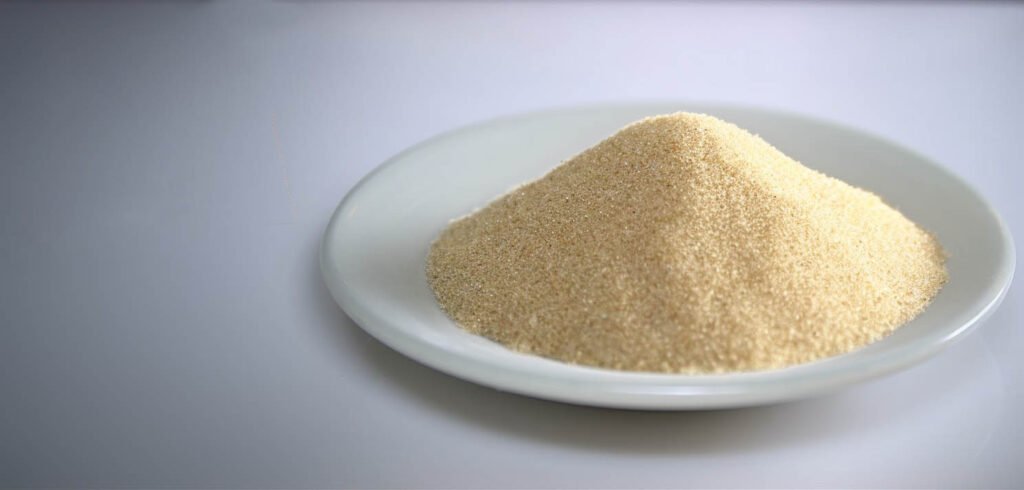
2. In-Depth Comparison of High, Medium, and Low-Temperature MgO Powder
1. Low-Temperature MgO Powder
- MgO powder temperature resistance: Typically below 250°C – 400°C.
- Characteristics: Generally without specialized moisture-proof treatment (some products may have light silicone oil treatment) and highly prone to moisture absorption. Therefore, when sealing heating elements that use low-temperature powder, high-quality silicone or epoxy resin must be used for strict sealing.
- Main Applications: Suitable for electric heating elements with low surface loads and low operating temperatures. Examples include refrigerator defrosting tubes, low-power water dispenser heating tubes, and simple heating plates.
2. Medium-Temperature MgO Powder
- MgO powder temperature resistance: Typically between 400°C – 600°C (some premium medium-temperature powders can withstand up to 800°C).
- Characteristics: Possesses excellent moisture-proof performance. Medium-temperature powder is usually coated with silicone oil or other water-repellent agents during production. This means even if there are minor defects in the heating element’s sealing material, the MgO powder will not easily absorb moisture from the air, maintaining good insulation for a long time.
- Main Applications: Widely used in the high-quality small household appliance sector. Examples include oven heating elements, washing machine heaters, electric kettles, coffee makers, and other civil electric heating elements.
3. High-Temperature MgO Powder
- MgO powder temperature resistance: Can withstand extreme temperatures of 800°C – 1000°C or even higher.
- Characteristics: Made from high-purity fused magnesium oxide (purity usually above 97%). High-temperature powder cannot undergo silicone oil moisture-proof treatment, because at high temperatures above 800°C, the silicone compounds will be burned and carbonized, which instead degrades the insulation performance. Therefore, high-temperature heating tubes must undergo a high-temperature baking/dehumidification process before leaving the factory and be sealed with glass or special high-temperature adhesives.
- Main Applications: Specifically designed for harsh environments. Examples include industrial electric furnace wires, cast aluminum/cast copper heaters, single-head cartridge heaters for molds, and high-temperature hot runner systems.

3. Heating Element MgO Powder Selection Guide
When conducting heating element MgO powder selection, it is recommended to follow these three core steps to ensure accurate selection:
1. Determine the Tube Surface Operating Temperature (The Primary Condition)
This is the deciding factor. Do not just refer to the temperature of the heating medium; calculate the actual dry-burning/operating temperature of the heating tube surface.
- If the tube surface temperature continuously exceeds 800°C, you must choose high-temperature MgO powder.
- If the tube surface temperature is between 400°C and 600°C, medium-temperature MgO powder is the optimal choice.
- If the tube surface temperature is below 400°C and the budget is limited, low-temperature MgO powder can be selected.
2. Evaluate Moisture-Proof and Sealing Process Requirements
- If your production line’s sealing process is relatively simple, or if the product is easily exposed to humid environments during storage and transportation, medium-temperature moisture-proof MgO powder can significantly reduce the product defect rate (current leakage and tripping).
- If you must use high-temperature powder, ensure your factory is equipped with complete high-temperature baking/dehumidifying equipment and glass-sealing capabilities.
3. Comprehensive Cost-Effectiveness Evaluation
The cost of insulation materials accounts for a certain proportion of the entire heating element.
| Grade | Temperature Limit | Moisture Resistance | Relative Cost | Applicable Scenarios |
|---|---|---|---|---|
| Low-Temp Powder | 400°C | Poor (Requires strict sealing) | Low | Low-end appliances, defrosting tubes |
| Medium-Temp Powder | 600°C – 800°C | Excellent (Silicone oil treated) | Medium | High-end appliances, water heaters |
| High-Temp Powder | 1000°C+ | No moisture-proof treatment (Requires high-temp sealing) | High | Industrial heating, high-temp molds |
Conclusion
Understanding the electrical grade MgO powder classification and its physical characteristics is the prerequisite for manufacturing high-quality electric heating elements. High-temperature MgO powder focuses on extreme heat resistance, medium-temperature MgO powder balances temperature resistance with excellent moisture-proof capabilities, while low-temperature MgO powder provides a basic, economical solution.
If you are still searching for the most matching MgO powder specifications for your specific heating tube project, it is recommended to directly provide your tube diameter, material, designed power, and working environment to your powder supplier. A professional engineering team will provide you with precise sampling and technical support.
