 Skip to content
In the modern industrial electric heating sector, the choice of insulation material directly determines the lifespan, efficiency, and safety of the equipment. For heating element manufacturers, deciding between high-performance magnesium oxide powder (MgO) and traditional aluminum oxide (Al₂O₃) as an insulating filler is a core technical dilemma.
As a technical engineer or purchasing manager in the electric heating industry, understanding the nuanced differences in physical properties and cost-effectiveness between the two is crucial.
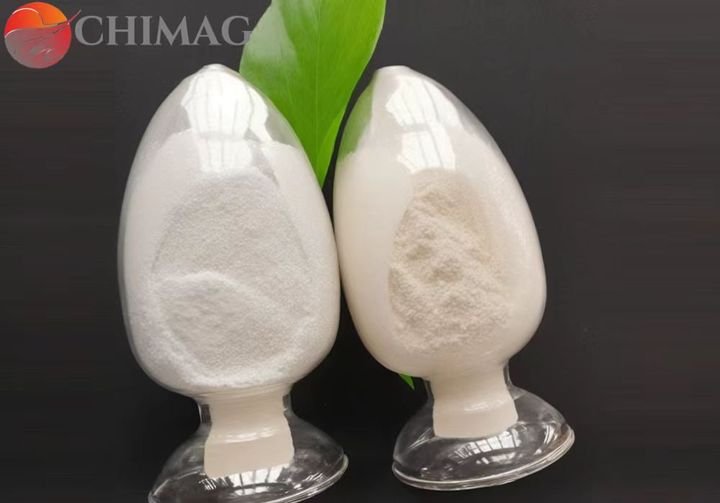
Key Takeaways
Magnesium Oxide Powder (MgO): The "gold standard" insulation for tubular heaters. It delivers superior thermal conductivity and dielectric strength at high temperatures. Key specifications include a 2852°C melting point for extreme safety margins, stable thermal conductivity at 1000°C (7-10 W/(m·K)), and excellent volume resistivity at 800°C (10⁸-10⁹ Ω·cm). Crucially, its moderate Mohs hardness (5.5-6.0) allows safe compaction during the swaging process without damaging the internal NiCr resistance wire.
Aluminum Oxide (Al₂O₃):Ideal for ceramic components and abrasives due to extreme wear resistance (Mohs hardness 9.0, density 3.95 g/cm³), but unsuitable for heater insulation. Its high-temperature thermal conductivity at 1000°C drops to 5-6 W/(m·K), underperforming MgO. Furthermore, its sharp, extremely hard particles would cut and destroy the resistance wire under high-pressure swaging.
The Verdict: If you manufacture tubular heating elements or mineral-insulated cables, electrical grade magnesium oxide powder is the irreplaceable optimal choice. If you require rigid structural support or ceramic substrates, prioritize aluminum oxide.
Background Concepts: What is Electrical Insulating Filler?
Inside an electric heater, the heat generated by the resistance wire (such as NiCr alloy) must pass through the insulation material to reach the outer sheath. An ideal filler must possess two seemingly "contradictory" properties:
-
High Thermal Conductivity: Rapidly dissipates heat to prevent the internal NiCr resistance wire (which often exceeds 1000°C) from burning out.
- Thermal Conductivity (25°C): 36 – 42 W/(m·K)
- Thermal Conductivity (800°C – 1000°C): 7 – 10 W/(m·K)
- Impact: Ensures efficient heat transfer to the metal sheath, significantly reducing the wire’s thermal load and preventing overheating.
-
High Dielectric Strength: Prevents current leakage to the metal sheath, ensuring electrical safety.
- Volume Resistivity (25°C): > 10¹⁴ Ω·cm
- Volume Resistivity (800°C): 10⁸ – 10⁹ Ω·cm
- Dielectric Withstand Voltage: Withstands 1500V – 2000V AC (1 minute) without electrical breakdown after swaging.
- Leakage Current: < 0.5 mA for standard applications (and < 0.1 mA for high-precision grades), fully complying with international UL/CE safety standards.
The underlying criteria for evaluating these materials are typically: insulation resistance, dielectric strength, thermal conductivity, and chemical stability at high temperatures.
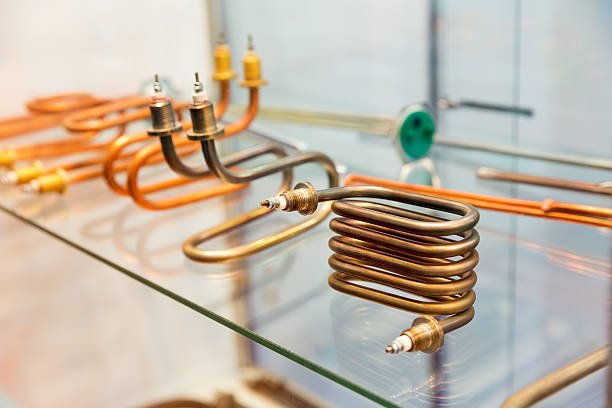
Deep Dive: Magnesium Oxide Powder (MgO)
Magnesium oxide powder is produced by crushing and sieving fused crystalline magnesia, followed by specific surface treatments (such as silicone oil coating) based on different application requirements.
- Core Characteristics:
- Thermal Stability: Extremely high melting point of 2852°C.
- Excellent Heat Conduction: In a highly compacted state, its thermal conductivity is significantly higher than most ceramic materials.
- Electrical Grade Purity: By strictly controlling impurities (like iron and magnetic substances), electrical grade MgO ensures exceptionally low leakage current.
- Typical Applications:
- Tubular Heaters: The core filler for household water heaters, ovens, and industrial oil heaters.
- Mineral Insulated (MI) Thermocouples: Used as the insulating filler inside the protective sheath.
- High-Performance Cartridge Heaters: Used in high power density applications like mold heating.
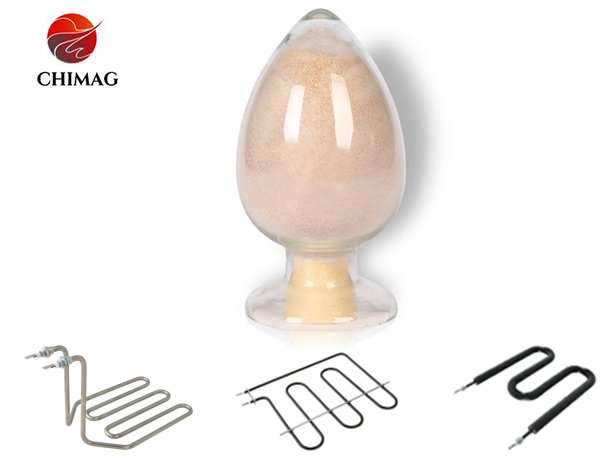
Deep Dive: Aluminum Oxide (Al₂O₃)
Aluminum oxide (commonly known as alumina or corundum) is the most widely used oxide ceramic material in the industry, renowned for its mechanical strength and wear resistance.
- Core Characteristics:
- Extreme Hardness: Mohs hardness of 9, second only to diamond.
- Corrosion Resistance: Extremely strong chemical inertness; highly resistant to acids and alkalis.
- Cost Effectiveness: Offers a cost advantage in large-scale industrial ceramics and abrasive applications.
- Typical Applications:
- Ceramic Insulators: Such as wire supports and spark plug insulators.
- Thermal Pads / Substrates: Thin insulation layers used in electronic devices.
- Wear-Resistant Linings: Anti-corrosion and anti-wear coatings for mining and chemical equipment.

MgO vs. Al₂O₃: Core Differences Compared
| Comparison Dimension | Magnesium Oxide Powder (MgO) | Aluminum Oxide (Al₂O₃) |
|---|---|---|
| Thermal Conductivity | Very High (especially when compacted) | Moderate (inferior to MgO) |
| High-Temp Insulation | Excellent (resistance drops slowly as temp rises) | Good (resistance drops faster at extreme temps) |
| Mechanical Hardness | Lower (easy to compress and process) | Extremely High (too hard to compress as powder) |
| Hygroscopicity | Hygroscopic (requires silicone oil treatment) | Virtually non-hygroscopic |
| Primary Application | Heating element insulating filler | Structural ceramics, wear parts, circuit substrates |
| Cost | Medium (requires high-purity processing) | Low (abrasive grade) / High (high-purity ceramic grade) |
Detailed Breakdown of Core Differences:
- Heat Transfer Efficiency: After the tubular heater undergoes the roll reduction (swaging) process, MgO powder forms a dense, solid mass, achieving thermal conductivity far superior to alumina powder. This means heaters using MgO heat up faster and significantly extend the lifespan of the resistance wire.
- Processing Adaptability: MgO powder possesses a certain degree of plasticity. During the swaging process, it distributes evenly and tightly wraps around the resistance wire without damaging it. In contrast, alumina particles are extremely hard and sharp, which can easily cut or damage the delicate heating wire during compression.
How to Choose: A Practical Guide
-
Choose Magnesium Oxide Powder (MgO) if you are:
- Manufacturing commercial or industrial tubular heating elements.
- Designing equipment that requires a very high surface load (high power density).
- Producing export appliances with strict leakage current controls.
- Operating in high-temperature environments above 600°C – 800°C.
-
Choose Aluminum Oxide (Al₂O₃) if you are:
- Producing ceramic support structures (e.g., ceramic band heaters).
- In need of materials with extreme wear resistance or mechanical compressive strength.
- Looking for simple electrical shielding at low to medium temperatures.
Frequently Asked Questions (FAQs)
Q1: Why does magnesium oxide powder need "silicone oil treatment"?
A1: MgO is naturally hygroscopic. If exposed to air, it absorbs moisture and converts to magnesium hydroxide, losing its insulating properties. A silicone oil surface treatment provides moisture resistance, ensuring the heater’s electrical safety during storage and initial startup.
Q2: Can aluminum oxide completely replace magnesium oxide in tubular heaters?
A2: Not recommended. While alumina is also an insulator, its thermal conductivity and volume resistivity at high temperatures are inferior to electrical grade MgO. Using it would cause heat buildup inside the heater tube, significantly shortening its lifespan.
Q3: How much does the purity of MgO powder affect performance?
A3: Tremendously. Impurities (such as iron oxide and silica) dramatically lower electrical resistance at high temperatures, increasing the risk of current leakage. The high-purity electrical grade MgO powder provided by CHIMAG is specifically engineered to solve this exact pain point.
Q4: Which material performs better in high-frequency environments?
A4: Aluminum oxide excels in certain high-frequency insulation scenarios (like microwave dielectrics). However, for the pure balance of heat generation and thermal conduction, magnesium oxide remains the undisputed top choice.
Conclusion & Call to Action
In the design of high-performance heating elements, the choice of insulation material is never a trivial matter. While aluminum oxide shines in the realm of structural ceramics, when it comes to the comprehensive balance of heat transfer and electrical insulation, electrical grade magnesium oxide powder (MgO) remains the soul of the electric heating industry.
As a specialized manufacturer of electrical grade magnesium oxide powder, CHIMAG is dedicated to providing high-purity, highly stable powder solutions for global customers. Whether you are developing high-temperature laboratory heaters or optimizing a large-scale home appliance production line, our technical team can provide customized material recommendations and tailored quotes.
Struggling with material selection? Don’t let the wrong material limit your product’s quality.
👉 Contact CHIMAG’s technical experts today for a free consultation and sample trials.
CHIMAG — Safeguarding your thermal energy transfer.
