 Skip to content

The performance of a tubular heating element largely depends on an invisible material — electrical grade magnesium oxide (MgO) powder.
As the insulating and heat-conducting material filled between the resistance wire and the metal sheath, MgO powder plays a critical role in determining the heating element’s service life, thermal efficiency, and electrical safety.
Choosing the wrong MgO powder may cause uneven heating, reduced insulation resistance, poor heat transfer, or even serious problems such as electrical leakage and premature tube failure.
So, how can you select the right magnesium oxide powder for your heating elements?
This article explains the 5 key factors you need to consider, including operating temperature, particle size distribution, chemical purity, density, and moisture resistance. It also covers practical testing methods, application requirements, and how to evaluate different electrical grade MgO powder products.
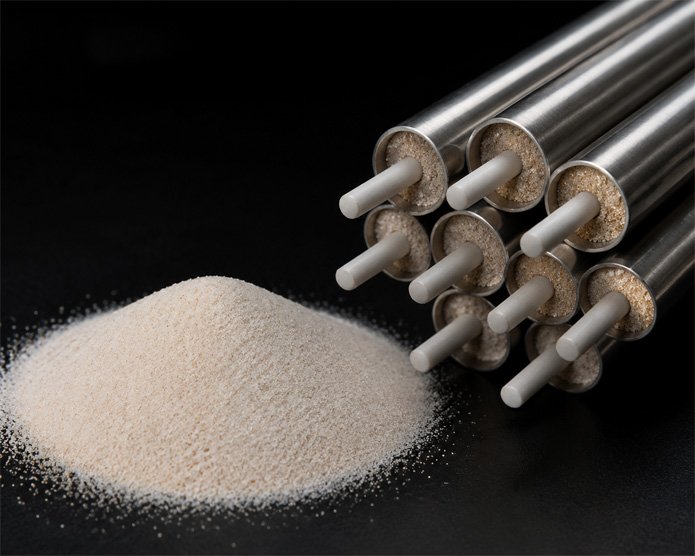
Why Is Magnesium Oxide Powder Essential for Tubular Heating Elements?
The main filling material used in conventional tubular heating elements is electrical grade magnesium oxide powder.
Other insulating materials, such as quartz-based materials and aluminum oxide, may be used in specific heating applications. However, MgO powder is widely adopted because of its excellent combination of electrical insulation, thermal conductivity, and high-temperature stability.
Main Advantages of MgO Powder:
Excellent Electrical Insulation
MgO effectively separates the resistance wire from the metal sheath, preventing electrical leakage and improving the electrical safety of heating elements.
Its insulation performance depends on several factors, including chemical purity, moisture content, particle characteristics, filling density, and manufacturing conditions.
High Thermal Conductivity
MgO transfers heat generated by the resistance wire to the outer metal sheath, helping improve heat transfer efficiency.
Proper powder filling and compaction are also important for minimizing internal air gaps and maintaining consistent thermal performance.
Excellent High-Temperature Stability
Magnesium oxide has a high melting point and good thermal stability, making it suitable for the demanding operating conditions inside tubular heating elements.
However, the actual operating temperature limit depends on the MgO grade, heating element design, sheath material, resistance wire, and operating environment.
A high melting point alone does not guarantee satisfactory electrical insulation at every operating temperature.
Cost-Effective Material
MgO is widely available and provides an excellent balance between electrical insulation, heat transfer performance, and material cost.

In simple terms, magnesium oxide powder is the core insulating material inside a tubular heating element. Its quality, together with the manufacturing process, directly affects the reliability and performance of the final product.
Five Key Factors for Selecting the Right MgO Powder
Choosing MgO powder is not simply about selecting the product with the highest purity or the highest price.
The correct choice depends on:
- Operating temperature
- Heating environment
- Tube diameter and sheath material
- Production and tube reduction processes
- Required electrical insulation performance
- Expected service life
- Storage and moisture protection requirements
The following five factors are the most important.
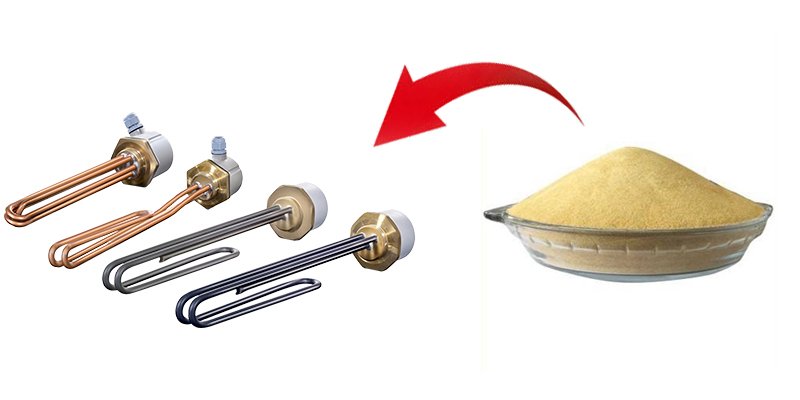
1. Working Temperature: The First Selection Factor
Temperature is one of the most important factors when selecting MgO powder.
Different operating temperatures and heating conditions require different grades of magnesium oxide powder.
However, there is no single temperature classification that applies to every MgO manufacturer.
The recommended operating temperature should be determined according to the supplier’s technical specifications and the actual heating element design.
Factors Affecting Temperature Selection:
- Maximum operating temperature of the resistance wire
- Temperature of the MgO insulation near the resistance wire
- Metal sheath material and temperature resistance
- Heating element surface watt density
- Heating medium and heat dissipation conditions
- Required insulation resistance during operation
- Operating atmosphere and environmental conditions
Why Does Temperature Affect MgO Performance?
Although magnesium oxide has a very high melting point, its electrical insulation performance is influenced by temperature.
As the temperature increases, the electrical resistivity of MgO generally decreases. Its actual insulation performance also depends on moisture content, chemical impurities, density, and material characteristics.
Under unsuitable operating conditions, insulation resistance may decrease, potentially causing:
- Reduced electrical insulation performance
- Increased leakage current
- Shortened service life
- Premature heating element failure
Important:
Do not select MgO powder based only on its melting point or a general temperature classification.
The melting point of magnesium oxide is much higher than the normal operating temperature of most tubular heating elements. However, this does not mean that MgO powder can maintain satisfactory electrical insulation under all conditions at extremely high temperatures.
Always confirm the recommended application temperature and electrical performance of the specific MgO grade with the supplier.
The actual operating temperature range depends on the MgO grade, heating element design, manufacturing process, and working environment.
2. Particle Size Distribution: Determines Filling Density
Particle size is another important factor when selecting electrical grade MgO powder.
Mesh size represents the fineness of powder particles. However, tubular heating element manufacturers should pay more attention to the overall Particle Size Distribution (PSD) rather than relying on a single mesh value.
The correct particle size distribution directly affects:
- Powder flowability
- Filling consistency
- Packing density
- Tube reduction performance
- Internal insulation reliability
If the Particle Size Is Too Fine:
- Larger specific surface area
- Potentially greater moisture absorption
- Increased dust during handling
- Possible changes in powder flowability
- Different packing and compaction characteristics
If the Particle Size Is Too Coarse:
- Difficulty filling narrow or complex tube structures
- Potentially uneven particle distribution
- Increased risk of inconsistent filling
- Possible problems during tube reduction if particle characteristics are unsuitable
Recommended Particle Size According to Tube Diameter
The appropriate particle size distribution depends on the heating tube diameter, filling equipment, resistance wire arrangement, and reduction process.
| Tube Diameter | Particle Size Selection |
|---|---|
| ≥8 mm | Select a suitable coarse-to-fine particle distribution according to filling requirements |
| 6.5–8 mm | Use a balanced particle size distribution for consistent filling |
| ≤6.5 mm | Pay greater attention to fine particle distribution and filling consistency |
These are general selection considerations rather than fixed mesh specifications. The actual particle size requirements should be confirmed through supplier specifications and production trials.
Why Is Particle Size Distribution Important?
Electrical grade MgO powder usually contains particles of different sizes.
A properly balanced particle size distribution allows smaller particles to fill the spaces between larger particles, helping improve packing characteristics.
However, an excessively high proportion of fine particles may affect flowability, increase dust generation, and change the filling behavior.
Therefore, manufacturers should evaluate:
- Particle size distribution
- D10, D50, and D90 values, where available
- Sieve analysis results
- Powder flow rate
- Filling consistency
- Performance after tube reduction
A suitable particle size distribution is more important than simply selecting the finest MgO powder.
3. Purity and Impurities: Hidden Factors Affecting Service Life
Chemical purity is one of the most important indicators of electrical grade magnesium oxide powder.
However, different MgO grades have different chemical composition requirements.
Instead of focusing only on MgO content, manufacturers should also evaluate the levels of relevant impurities.
MgO Content
Higher MgO content generally indicates a higher proportion of magnesium oxide in the material.
However, MgO purity alone cannot fully determine electrical insulation performance.
The required purity should be selected according to the intended application, powder processing method, and supplier specifications.
Fe₂O₃ Content
Iron oxide (Fe₂O₃) is an important impurity to monitor.
Excessive iron-containing impurities may affect the electrical and high-temperature properties of MgO, depending on their chemical form, concentration, and operating conditions.
The acceptable Fe₂O₃ content depends on the MgO grade and application requirements.
Other impurities may also affect material performance, including:
- Calcium oxide (CaO)
- Silicon dioxide (SiO₂)
- Aluminum oxide (Al₂O₃)
- Boron (B)
- Sulfur (S)
- Phosphorus (P)
- Carbon (C)
Certain impurities and chemical components may influence high-temperature behavior, sintering characteristics, chemical stability, and electrical insulation performance.
For example, excessive levels of certain impurities may change the electrical resistivity or high-temperature behavior of the insulation material.
Therefore, always select reliable MgO suppliers and request a complete material analysis report before purchasing.
What Should You Check in an MgO Chemical Analysis Report?
| Chemical Component | Why It Matters |
|---|---|
| MgO | Main chemical composition and material purity |
| Fe₂O₃ | Relevant impurity affecting electrical and high-temperature properties |
| CaO | Affects chemical composition and high-temperature behavior |
| SiO₂ | Relevant impurity affecting material characteristics |
| Al₂O₃ | Helps evaluate overall chemical composition |
| B and other trace elements | May affect specific high-temperature applications |
| Moisture / LOI | Helps evaluate moisture and volatile-related characteristics |
The acceptable limits should follow the technical specifications of the selected MgO grade.
Which Testing Methods Can Be Used?
Common methods for evaluating MgO chemical composition include:
- X-ray Fluorescence (XRF)
- Inductively Coupled Plasma Optical Emission Spectrometry (ICP-OES)
The appropriate method depends on the element being measured, required detection limits, and laboratory procedures.
Moisture content and loss on ignition (LOI) should be reported separately because they do not necessarily represent the same material characteristic.
Do not evaluate MgO powder quality based on MgO purity alone. Chemical composition and actual electrical performance should be considered together.
4. Density and Flow Rate: Matching Your Production Process
Density and flow rate mainly affect:
- Powder filling process
- Filling consistency
- Tube reduction process
- Final heating element quality
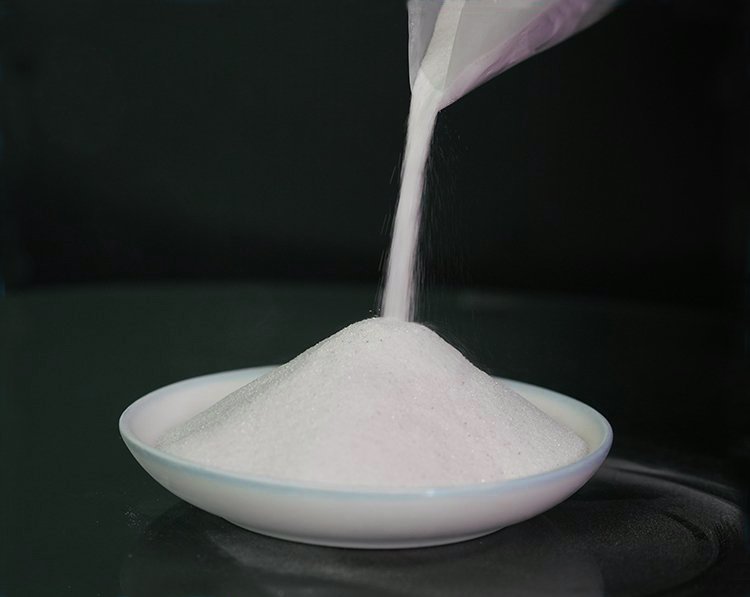
Flow Rate (FT)
Flow rate refers to the time required for a specified amount of powder to pass through a standard funnel under defined test conditions.
It is commonly expressed in seconds.
Flowability is important because it affects how consistently MgO powder enters the heating tube during production.
The appropriate flow rate must match your filling equipment and manufacturing process.
If Flowability Is Too High:
- Powder may flow too quickly for certain filling processes
- Filling control may become more difficult
- Particle segregation may occur in unsuitable handling systems
If Flowability Is Too Low:
- Powder filling may become slower
- Powder bridging may occur
- Filling consistency may decrease
- Production efficiency may be affected
The ideal flow characteristics depend on particle size distribution, moisture content, powder treatment, and filling equipment.
Flow rate results should always be compared using the same testing method, funnel geometry, sample quantity, and environmental conditions.
Bulk Density and Tap Density (T.D.)
Density is another important indicator of MgO powder characteristics.
However, manufacturers should distinguish between different density measurements.
- Bulk Density: The mass of powder per unit volume before tapping or compaction.
- Tap Density: The density measured after powder is subjected to a specified tapping procedure.
- Compacted Density: The density achieved after powder is filled and compressed within the heating element during manufacturing.
Tap density is commonly used to evaluate powder packing characteristics, but it does not directly represent the final density of MgO inside a manufactured heating tube.
Different sheath materials, tube diameters, filling processes, and reduction parameters may produce different final compacted densities.
| Parameter | Main Function |
|---|---|
| Bulk Density | Evaluates powder packing before tapping |
| Tap Density | Evaluates powder packing characteristics after standardized tapping |
| Compacted Density | Evaluates the final filling condition inside the heating tube |
| Flow Rate | Evaluates powder flowability during filling |
Incorrect powder selection or unsuitable filling conditions may cause:
- Uneven filling
- Poor thermal contact
- Inconsistent insulation performance
- Cracking or deformation during tube reduction
- Unstable electrical performance
Therefore, MgO density should not be selected based only on the sheath material.
Manufacturers should evaluate tap density together with particle size distribution, flow rate, filling equipment, and actual tube reduction conditions.
Recommended Density Testing
Tap density should be measured using a consistent and documented procedure.
The test report should specify:
- Initial sample mass
- Measuring cylinder volume
- Tapping equipment and procedure
- Number of taps or endpoint criteria
- Final measured volume
- Calculated tap density
This makes it easier to compare different MgO batches and suppliers.
Consistent flowability and packing characteristics are essential for stable MgO filling and reliable tubular heating element production.
5. Moisture Resistance: Protecting Against the Biggest Enemy
Magnesium oxide powder is hygroscopic, meaning it can absorb moisture from the surrounding air.
Moisture absorption can seriously affect:
- Insulation resistance
- Electrical safety
- Heating element reliability
- Production consistency
Moisture can increase the electrical conductivity of the insulation material, potentially reducing insulation resistance and increasing leakage current.
There are two common approaches to controlling moisture-related problems.
Solution 1: Use Moisture-Resistant Modified MgO Powder
Modified MgO powder is specially treated to improve its resistance to moisture absorption.
Depending on the treatment method and product grade, it may offer:
- Better storage stability
- Improved moisture resistance
- More consistent powder handling
- Reduced moisture-related production problems
Some modified MgO grades are designed for specific low-temperature or medium-temperature heating applications.
However, different surface treatments may affect powder flowability, thermal behavior, and compatibility with subsequent manufacturing processes.
Therefore, manufacturers should confirm whether the powder is silicone-treated or uses another surface treatment method.
The treatment method, temperature limitations, and application suitability should be verified through the supplier’s technical documentation.
Important:
Moisture-resistant modified MgO powder does not automatically eliminate the need for drying, end sealing, or insulation resistance testing.
The actual process requirements depend on the MgO grade and heating element design.
Solution 2: Standard MgO Powder + Proper Sealing
Standard MgO powder can also be used if appropriate moisture protection measures are applied.
Common sealing methods include:
- Glass sealing
- Ceramic sealing
- Silicone-based sealing materials
- Other application-specific moisture-proof sealing materials
The best choice depends on:
- Application requirements
- Operating temperature
- Production conditions
- End construction
- Cost considerations
Proper sealing helps prevent moisture from entering the MgO filling material through the ends of the heating element during storage and operation.
Manufacturers should also verify the compatibility and temperature resistance of the selected sealing material.
Practical Selection: Choose MgO Powder According to Application
Besides the five key factors above, the actual heating application is also important.
Different heating environments require different combinations of electrical insulation, thermal performance, and moisture resistance.
Air Dry Heating Applications
Examples:
- Oven heating elements
- Industrial air heaters
- Air duct heaters
- Electric furnace heating elements
Recommended:
- MgO grades with suitable high-temperature insulation performance
- Appropriate particle size distribution
- Good filling and compaction characteristics
- Moisture protection according to storage conditions
For high-temperature applications, always verify the continuous operating temperature and electrical performance of the selected MgO grade.
Water Heating Applications
Examples:
- Immersion heaters
- Water heating tubes
- Boiler heating elements
- Tank heating elements
Recommended:
- MgO powder suitable for the required operating temperature
- Modified MgO grades where moisture resistance is required
- Reliable end sealing process
- Appropriate insulation resistance testing
Water heating applications require particular attention to end sealing because moisture entering the heating element can significantly reduce insulation resistance.
High Temperature Heat Treatment Applications
For applications involving high operating temperatures, selection should consider:
- Tube length
- Surface watt density
- Heating temperature
- Sheath material
- Working environment
- Resistance wire temperature
- Required insulation performance
High-temperature MgO powder should be selected carefully.
Not all modified grades are suitable for extremely high-temperature applications.
Manufacturers should verify the thermal stability, chemical composition, and electrical properties of the selected powder under actual operating conditions.
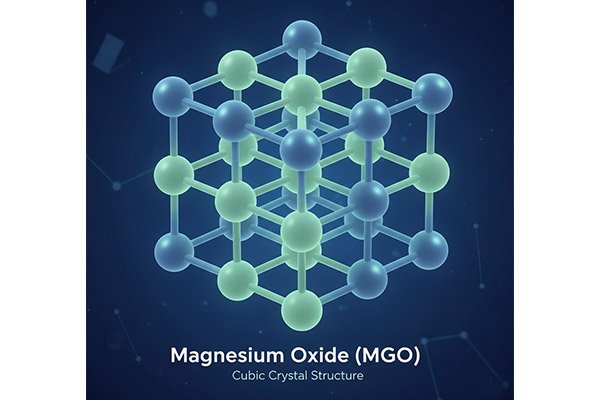
Surface Load Reference (W/cm²)
Surface watt density is another important factor when selecting MgO powder for tubular heating elements.
It refers to the heating power applied per unit of the heating element’s effective heated surface area.
It can generally be calculated as:
Surface Watt Density = Heating Power / Effective Heated Surface Area
For a cylindrical heating element, the effective heated surface area is generally calculated using the heated length and outer diameter of the heating sheath.
Higher surface watt density generally increases thermal stress inside the heating element.
However, MgO selection cannot be determined by surface watt density alone.
Important factors include:
- Heating element operating temperature
- Tube diameter
- Sheath material
- Heating medium
- Heat dissipation conditions
- Resistance wire arrangement
- MgO grade and insulation characteristics
Instead of applying a universal relationship between surface watt density and MgO grade, manufacturers should evaluate the actual heating element design.
| Surface Watt Density | Selection Considerations |
|---|---|
| Low surface watt density | Consider operating temperature, application, and insulation requirements |
| Medium surface watt density | Pay attention to heat transfer, filling consistency, and insulation performance |
| High surface watt density | Carefully evaluate high-temperature stability and actual operating conditions |
Higher surface watt density requires more careful material selection and production validation.
A suitable MgO grade should be verified through actual heating element testing rather than selected using a watt density value alone.
Storage and Handling: Protect Your MgO Powder Quality
Even high-quality MgO powder can lose performance if stored incorrectly.
Because magnesium oxide is hygroscopic, proper storage and handling are essential.
Keep Storage Conditions Dry
Recommended storage:
- Use a dry and well-ventilated warehouse
- Avoid direct contact with the ground
- Keep away from water and humid environments
- Use pallets and protective covers
- Avoid sudden temperature changes that may cause condensation
Keep Packaging Sealed
After opening:
- Reseal the package immediately
- Avoid long exposure to humid air
- Use clean and dry handling equipment
- Prevent contamination from other materials
Control Warehouse Humidity
Maintain suitable warehouse humidity through:
- Industrial dehumidification equipment
- Proper ventilation
- Sealed packaging
- Suitable desiccant management
The storage environment should be controlled according to the supplier’s recommended conditions.
Follow FIFO Storage Management
The longer MgO powder is stored under unsuitable conditions, the greater the potential risk of moisture absorption and performance changes.
Recommended:
- Purchase quantities according to actual production demand
- Follow the supplier’s recommended shelf life
- Use opened packages as soon as practical
- Inspect powder condition if storage conditions are uncertain
Do not rely on storage time alone to determine whether MgO powder is still suitable for production.
Moisture content and relevant electrical performance should be checked when necessary.
Drying Before Use
If MgO powder has absorbed moisture during storage, drying treatment may be required before use.
However, drying temperature and duration should not be treated as universal values.
Different MgO grades may have different requirements depending on:
- Initial moisture content
- Powder treatment method
- Surface coating
- Storage conditions
- Manufacturer recommendations
General Drying Considerations
| Condition | Recommended Action |
|---|---|
| Properly sealed and stored powder | Follow the supplier’s normal production instructions |
| Powder exposed to humid air | Check moisture content before use |
| Powder with confirmed moisture absorption | Follow the supplier’s validated drying procedure |
| Modified MgO powder | Confirm compatibility with the specific surface treatment |
| Powder with uncertain storage history | Conduct material testing before production |
Proper drying can help reduce moisture-related problems, but it does not automatically guarantee that the original insulation performance has been restored.
After drying, manufacturers should verify the material condition through appropriate tests.
Important: Drying MgO powder before filling and drying an already manufactured tubular heating element are two different processes. Their procedures and temperature requirements should not be confused.
For modified MgO powder, confirm that the selected drying conditions will not damage its surface treatment or change its intended performance.
How to Evaluate Electrical Grade MgO Powder Before Purchasing
Before purchasing magnesium oxide powder in large quantities, tubular heating element manufacturers should evaluate its chemical composition, physical properties, and actual performance.
A technical data sheet is an important starting point, but laboratory testing and production trials provide additional evidence of material compatibility.
Recommended MgO Powder Testing Methods
| Test Item | Recommended Testing Method | Why It Matters |
|---|---|---|
| Chemical Composition | XRF / ICP-OES | Evaluates MgO content and impurity levels |
| Particle Size Distribution | Laser Diffraction / Sieve Analysis | Evaluates particle characteristics |
| Tap Density | Standardized Tapping Method | Evaluates powder packing characteristics |
| Flow Rate | Defined Funnel Flow Test | Evaluates powder flowability |
| Moisture Content | Validated Moisture Measurement Method | Identifies moisture-related risks |
| Loss on Ignition (LOI) | Controlled Ignition and Mass Measurement | Evaluates mass loss from volatile components and related material characteristics |
| Insulation Resistance | Electrical Testing Under Defined Conditions | Evaluates electrical insulation performance |
| Heating Element Trial | Actual Production and Electrical Testing | Confirms compatibility with manufacturing conditions |
The testing procedure and applicable standard should be specified in the technical report. Results obtained using different methods or conditions should not be compared directly.
Why Is Actual Production Testing Important?
Even if two MgO powders have similar chemical compositions, their performance may differ because of particle size distribution, surface treatment, flowability, and compaction characteristics.
A practical production trial should evaluate:
- Powder filling consistency.
- Tube reduction performance.
- Final heating element dimensions.
- Insulation resistance after manufacturing.
- Leakage current under specified test conditions.
- Electrical performance after thermal cycling, where applicable.
The test conditions should follow the heating element’s design requirements and applicable product standards.
Recommended Quality Control Process
A reliable MgO evaluation process should include three stages:
Stage 1: Incoming Material Inspection
Check the supplier’s certificate of analysis, chemical composition, particle size distribution, moisture content, tap density, and flow rate.
Stage 2: Production Compatibility Testing
Evaluate powder flowability, filling consistency, tube reduction performance, and final compacted condition.
Stage 3: Finished Heating Element Verification
Test insulation resistance, leakage current, and other applicable electrical and performance characteristics under defined conditions.
Actual heating element testing is more reliable than relying solely on a powder specification sheet.
CHIMAG Electrical Grade MgO Powder: Product Selection Guide
Different tubular heating element applications require different MgO powder characteristics.
CHIMAG provides electrical grade magnesium oxide powder for heating element manufacturers, with product selection based on operating conditions, manufacturing processes, and performance requirements.
Compare Different MgO Powder Grades
The following table provides a product selection framework. Exact specifications should be confirmed using CHIMAG’s current product technical data sheets and batch inspection reports.
| Parameter | Low-Temperature Grade | Medium-Temperature Grade | High-Temperature Grade |
|---|---|---|---|
| MgO Content | Confirm with TDS | Confirm with TDS | Confirm with TDS |
| Fe₂O₃ Content | Confirm with TDS | Confirm with TDS | Confirm with TDS |
| CaO Content | Confirm with TDS | Confirm with TDS | Confirm with TDS |
| Tap Density | Confirm with TDS | Confirm with TDS | Confirm with TDS |
| Flow Rate | Confirm with TDS | Confirm with TDS | Confirm with TDS |
| Particle Size Distribution | Confirm with TDS | Confirm with TDS | Confirm with TDS |
| Moisture Content | Confirm with TDS | Confirm with TDS | Confirm with TDS |
| Moisture Resistance | Confirm grade | Confirm grade | Confirm grade |
| Surface Treatment | Confirm grade | Confirm grade | Confirm grade |
| Recommended Applications | Confirm applications | Confirm applications | Confirm applications |
Note: These are product comparison categories, not universal temperature classifications. The actual specifications, application limits, and performance differences must be established using CHIMAG’s verified product data.
How to Choose the Right CHIMAG MgO Grade?
Low-Temperature Applications
Consider grades designed for heating elements operating under relatively moderate thermal conditions.
Important selection factors include:
- Moisture resistance
- Powder flowability
- Filling consistency
- Electrical insulation performance
Medium-Temperature Applications
For general industrial and household heating elements, pay particular attention to:
- Chemical composition
- Particle size distribution
- Tap density
- Tube reduction compatibility
- Long-term insulation stability
High-Temperature Applications
For demanding industrial heating applications, focus on:
- High-temperature insulation performance
- Chemical purity
- Thermal stability
- Impurity control
- Compatibility with sheath materials and resistance wire
The final grade should be selected according to CHIMAG’s verified technical specifications and actual production testing.
What Technical Information Should You Request from an MgO Supplier?
Before placing a bulk order, manufacturers should request:
- Product Technical Data Sheet (TDS)
- Certificate of Analysis (COA)
- Chemical composition report
- Particle size distribution report
- Tap density and flow rate specifications
- Moisture content and storage recommendations
- Surface treatment information, where applicable
- Sample availability for production trials
These documents help manufacturers compare different MgO products and evaluate whether the selected material meets their production requirements.
Summary: How to Select the Right MgO Powder for Heating Elements
Selecting the correct magnesium oxide powder can follow these steps:
1. Confirm Temperature Requirements
Identify the maximum operating temperature and select an MgO grade with suitable thermal and electrical properties.
2. Select Proper Particle Size
Choose the particle size distribution according to the heating tube diameter, filling equipment, and production process.
3. Check Purity and Chemical Composition
Confirm:
- MgO content
- Fe₂O₃ and other impurity levels
- Moisture content
- Loss on ignition, where applicable
4. Match Production Requirements
Make sure:
- Flow rate
- Tap density
- Particle size distribution
- Filling characteristics
match your manufacturing process.
5. Consider Moisture Protection
Choose between:
- Modified moisture-resistant MgO powder
- Standard MgO powder with proper storage and sealing
according to your application and production requirements.
6. Store and Handle Correctly
Follow proper storage procedures, keep packaging sealed, and dry the powder when necessary according to supplier recommendations.
7. Verify Performance Through Testing
Review the supplier’s technical documents and conduct production trials to verify filling consistency, tube reduction performance, and finished heating element insulation characteristics.
Need the Right MgO Powder for Your Heating Elements?
Selecting the right electrical grade magnesium oxide powder is essential for producing reliable tubular heating elements.
However, different heating element designs require different combinations of chemical purity, particle size distribution, flowability, density, and moisture resistance.
CHIMAG provides electrical grade MgO powder for tubular heating element manufacturers.
We can help you evaluate suitable MgO grades according to your manufacturing requirements.
To Recommend the Right MgO Powder, Please Provide:
- Application: Tubular heater, immersion heater, cartridge heater, or other heating elements.
- Tube Diameter: Outer diameter of the heating tube.
- Sheath Material: Stainless steel, copper, aluminum, or other materials.
- Operating Temperature: Required working temperature of the heating element.
- Production Process: Powder filling, vibration filling, tube reduction, and other relevant processes.
- Special Requirements: Moisture resistance, particle size distribution, flow rate, or other technical specifications.
- Current MgO Specifications: Existing product grade or technical data sheet, if available.
Our technical team can help you evaluate suitable products and provide relevant technical specifications for your application.
Contact CHIMAG to discuss your MgO powder requirements, request technical specifications, and obtain a product quotation.
Frequently Asked Questions About Electrical Grade MgO Powder
1. What Is Electrical Grade Magnesium Oxide Powder?
Electrical grade magnesium oxide powder is a specially processed insulating material used in tubular heating elements.
It is filled between the resistance wire and metal sheath to provide electrical insulation and transfer heat generated by the resistance wire to the outer sheath.
2. What Purity of MgO Is Required for Tubular Heating Elements?
The required MgO purity depends on the product grade and application.
Besides MgO content, manufacturers should also evaluate Fe₂O₃, CaO, SiO₂, Al₂O₃, and other relevant impurities.
The final selection should follow the supplier’s technical specifications and actual electrical performance requirements.
3. What Is the Ideal Tap Density of Electrical Grade MgO?
There is no universal tap density suitable for all tubular heating elements.
Tap density depends on particle size distribution, powder processing, and testing methods.
Manufacturers should evaluate tap density together with flow rate, filling equipment, and actual tube reduction conditions.
4. What Is the Difference Between High-Temperature and Low-Temperature MgO?
Different MgO grades are designed for different operating conditions and manufacturing requirements.
High-temperature grades are selected according to their thermal stability and electrical insulation performance under demanding conditions.
Low-temperature grades may be designed with different powder characteristics or moisture-resistant treatments.
The appropriate grade should be selected according to the supplier’s verified technical specifications.
5. Why Does MgO Powder Absorb Moisture?
Magnesium oxide is hygroscopic and can absorb moisture from humid air.
Moisture absorption may reduce electrical insulation resistance and affect the reliability of tubular heating elements.
Proper storage, sealed packaging, and suitable moisture protection are therefore important.
6. How Should Electrical Grade MgO Powder Be Stored?
MgO powder should be stored in a dry environment and kept in sealed packaging.
After opening, the package should be resealed promptly to minimize exposure to humid air.
Manufacturers should also follow the supplier’s recommended shelf life and storage conditions.
7. Can Modified MgO Powder Eliminate the Drying Process?
Not necessarily.
Moisture-resistant modified MgO powder can improve moisture resistance during storage and handling.
However, additional drying or other moisture protection procedures may still be required depending on the powder grade, manufacturing process, and heating element design.
Always follow the supplier’s technical recommendations and verify insulation performance before production.
8. How Can I Choose the Right MgO Powder Supplier?
When evaluating an MgO supplier, consider:
- Product quality and batch consistency
- Complete chemical analysis reports
- Particle size distribution
- Tap density and flow rate specifications
- Moisture resistance and surface treatment
- Technical support and application experience
- Sample testing and production trial support
A reliable supplier should be able to provide clear technical specifications and help evaluate the suitability of the material for your manufacturing process.
If you are looking for electrical grade MgO powder for tubular heating elements, contact CHIMAG to discuss your requirements and obtain suitable product recommendations.
