 Skip to content
Understanding Magnesium Oxide and Its Different Grades
Magnesium oxide (MgO) is a highly versatile and essential compound used across various industries due to its unique combination of physical and chemical properties. Known for its exceptional heat resistance, chemical stability, and vital role in human and animal health, magnesium oxide is integral to sectors such as agriculture, food, pharmaceuticals, and industrial manufacturing.
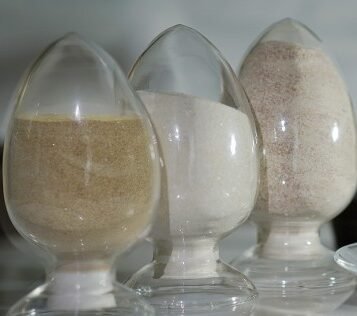
Properties of Magnesium Oxide Powder
- Heat Resistance: Magnesium oxide powder has a notably high melting point of approximately 2800°C, making it ideal for high-temperature applications. This property is especially beneficial in the production of refractory materials, such as furnace linings, which require superior heat endurance.
- Chemical Stability: MgO powder exhibits remarkable resistance to chemical reactions, enabling its use in aggressive environments such as chemical manufacturing, wastewater treatment, and neutralization processes. Its stability ensures it performs effectively under challenging industrial conditions.
- Nutritional Benefits: As a source of magnesium—an essential mineral in biological systems—MgO plays a crucial role in numerous physiological processes, including nerve and muscle function, bone health, and metabolic regulation. It is widely utilized in both animal nutrition and human dietary supplements.
Depending on its intended application and required purity, magnesium oxide powder is classified into different types: feed-grade MgO powder, food-grade MgO powder, and electrical-grade MgO powder. Each grade is specifically formulated to meet the distinct needs of its respective industry.
Key Differences Between Feed-Grade, Food-Grade, and Electrical-Grade MgO Powder
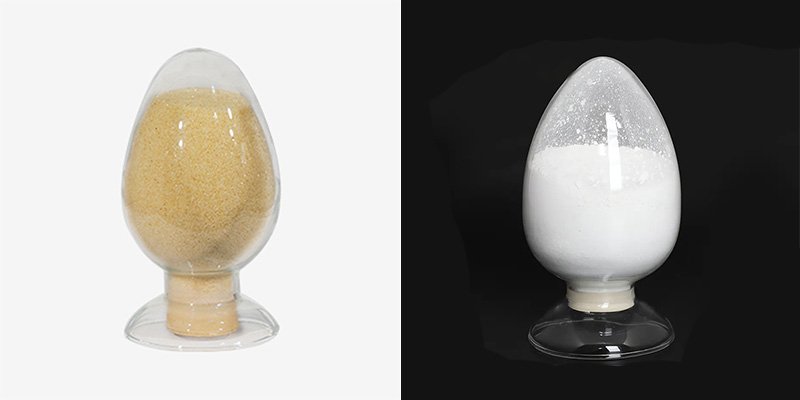
The table below highlights the key differences between these grades in terms of purity, applications, and regulatory standards, helping you choose the right type of MgO based on your needs.
| Criteria | Feed-Grade MgO | Food-Grade MgO | Electrical-Grade MgO |
|---|---|---|---|
| Purity & Composition | • Magnesium content: 55–70% MgO • Purity: 90% or higher • Impurities: Low levels (e.g., calcium carbonate < 2%) | • Magnesium content: At least 99% MgO • Purity: > 99% • Contaminants: Strict control (e.g., heavy metals) | • Magnesium content: 85–95% MgO • Purity: Lower than food/feed grades • Impurities: Calcium oxide (CaO), silica (SiO2), etc. |
| Application Areas | • Animal feed (livestock, poultry, swine) • Prevents magnesium deficiencies (e.g., grass tetany) • Supports growth, digestion, and reproduction | • Dietary supplements (magnesium fortification) • Antacids (treats heartburn and indigestion) • Pharmaceutical tablets and capsules | • Refractory materials (e.g., furnace linings) • Chemical manufacturing (e.g., fertilizers) • Water treatment (e.g., absorbing contaminants) |
| Regulatory Standards | • Subject to agricultural feed safety regulations • Must meet minimum safety standards for animal health | • Strict regulations (e.g., FDA in U.S., EFSA in EU) • Must adhere to safety standards for human consumption | • Subject to industrial standards • Focuses on safety and effectiveness in manufacturing • No stringent human safety standards |
Applications of MgO Powder in Various Industries

MgO Powder in Agriculture & Animal Feed
Magnesium oxide powder plays an essential role in agriculture, particularly in animal feed, due to its ability to maintain adequate magnesium levels in livestock and prevent severe health issues.
- Livestock Health: Magnesium is crucial for proper nerve function, muscle contraction, and overall metabolic processes. A deficiency can lead to conditions such as grass tetany in cattle—a potentially fatal disorder caused by low magnesium levels in the blood. MgO powder is used in feed formulations to prevent these deficiencies, promoting healthier animals.
- Improved Productivity: By ensuring sufficient magnesium intake, feed-grade MgO powder helps improve growth rates, reproductive performance, and feed conversion efficiency. In dairy cattle, it ensures optimal milk production; in poultry, it improves egg-laying efficiency and overall growth.
MgO Powder in Food and Pharmaceuticals
Due to its high purity, food-grade magnesium oxide powder is widely used as a supplement and active ingredient.
- Dietary Supplements: Magnesium is involved in over 300 biochemical reactions in the human body, including energy production, bone health, and nerve function. MgO powder, with its high magnesium content (over 99%), is an effective delivery method for dietary supplements.
- Heartburn & Indigestion Treatment: In the pharmaceutical industry, MgO is used as an antacid. When dissolved in water, it neutralizes stomach acid, providing relief from heartburn, indigestion, and acid reflux in over-the-counter medications.
- Therapeutic Uses: In higher doses, MgO powder acts as a laxative by drawing water into the intestines, aiding in the relief of constipation.
MgO Powder in Electrical Manufacturing
Electrical-grade magnesium oxide powder has a wide range of applications in the electronics industry due to its excellent thermal and electrical properties:
- Heat Dissipation Devices: MgO powder is used in electronic radiators, motor heat sinks, and power supply coolers. Its high thermal conductivity allows it to effectively disperse heat and prevent localized overheating.
- Fire-Resistant Materials: MgO powder offers superior fire resistance and suppresses flame spread. It generates low smoke and toxic gases during combustion, enhancing safety.
- Electric Heater Components: In household, industrial, and nuclear electric heaters, MgO powder is used as a filling material in tubular components to provide both electrical insulation and heat conduction.
- Electrical Equipment Manufacturing: It is used to fill motor windings, insulating materials, and electronic components, providing the thermal stability essential for reliable equipment.
MgO Powder in Environmental Applications
Magnesium oxide also finds use in environmental applications such as wastewater treatment. Its ability to absorb contaminants and neutralize harmful substances makes it highly effective for cleaning pollutants and maintaining water quality.
The Future Prospects of Magnesium Oxide Powder
The future of magnesium oxide powder looks promising, driven by advancements in sustainable technologies and increasing global demand for environmentally friendly solutions.
- Rising Demand in Sustainable Technologies: As the world shifts toward greener technologies, MgO powder is poised to play a key role in clean energy applications, such as carbon capture and storage (CCS), where it helps absorb CO₂ emissions.
- Innovations in Production and Applications: The industry is evolving with new production methods that improve efficiency and reduce environmental impact. Innovations are also opening up new markets, from advanced ceramics to eco-friendly construction materials.
- Growing Global Market: Global demand is expected to rise as emerging markets seek high-quality raw materials. This presents an opportunity for companies to innovate and supply MgO powder across diverse sectors.
Top Three Global Leaders in MgO Powder Supply
Magnesium oxide is crucial across agriculture, pharmaceuticals, and heavy manufacturing. The top three global suppliers are Chimag, RHI Magnesita, and Ube Materials, each excelling in different market areas:
1. Chimag: A Versatile Global MgO Powder Supplier
Chimag offers a full range of products, from feed-grade and food-grade to electrical-grade MgO.
- Strengths: Known for high-quality products that meet rigorous international standards, their broad product range serves diverse industries. The company is committed to sustainability, eco-friendly production practices, and efficient energy use.
- Weaknesses: While reliable, its market presence in some regions is not as dominant as larger competitors, which can present challenges in meeting specialized industrial demands globally.
2. RHI Magnesita: A Leader in Refractory Materials
RHI Magnesita is a global leader in refractory materials and a major supplier of MgO powder for high-temperature industries like steel and cement.
- Strengths: Their specialized expertise in high-purity MgO for refractories provides a competitive edge in heavy manufacturing. They boast an extensive global network and a strong focus on research and development.
- Weaknesses: Their narrow focus on industrial sectors limits their presence in agriculture and pharmaceuticals.
3. Ube Materials: A High-Performance MgO Powder Supplier
A division of Ube Industries, Ube Materials is renowned for producing high-purity MgO powder for specialized applications like electronics and chemical processing.
- Strengths: Recognized for high-performance products, their advanced manufacturing technologies and R&D capabilities allow them to produce highly innovative materials.
- Weaknesses: They have a more limited global distribution network compared to Chimag and RHI Magnesita, which may result in slower delivery in some regions. Their niche focus may also fail to serve broader MgO needs.
Frequently Asked Questions
1. What is the difference between feed-grade, food-grade, and electrical-grade MgO Powder?
The primary difference lies in purity and application. Food-grade MgO powder is highly pure and safe for human consumption; feed-grade MgO powder is used for animal nutrition; and electrical-grade MgO powder is tailored for industrial processes.
2. How does magnesium oxide powder benefit animal health and livestock productivity?
MgO powder supports overall animal health by preventing magnesium deficiencies, which can lead to disorders like grass tetany. It also promotes better digestion, nutrient absorption, and reproductive performance.
3. What are the safety regulations for food-grade magnesium oxide powder?
Food-grade MgO powder must meet strict safety standards, including FDA (U.S.) and EFSA (EU) regulations, to ensure it is completely safe for human consumption and free of harmful contaminants.
4. Why is magnesium oxide powder important in industrial manufacturing?
Electrical-grade MgO powder is vital in high-temperature applications—such as refractories, steel production, and electronics—thanks to its exceptional heat resistance, thermal conductivity, and chemical stability.
5. What is the future demand for MgO Powder in sustainable industries?
MgO powder is expected to play a critical role in green technologies, such as carbon capture and storage (CCS), making it an essential material for sustainability-focused industries worldwide.
6. How can I source high-quality MgO Powder for my industry?
Partnering with a reliable, globally recognized supplier ensures you receive high-quality magnesium oxide powder tailored to your specific industry’s regulatory and performance needs.
Conclusion
Magnesium oxide powder is an indispensable material in numerous industries, from agriculture to pharmaceuticals and heavy manufacturing. As global demand continues to rise, the importance of selecting the right grade of MgO powder for each application becomes increasingly critical. Whether you operate in agriculture, food production, or industrial manufacturing, magnesium oxide powder remains a vital resource with a bright, sustainable future.
